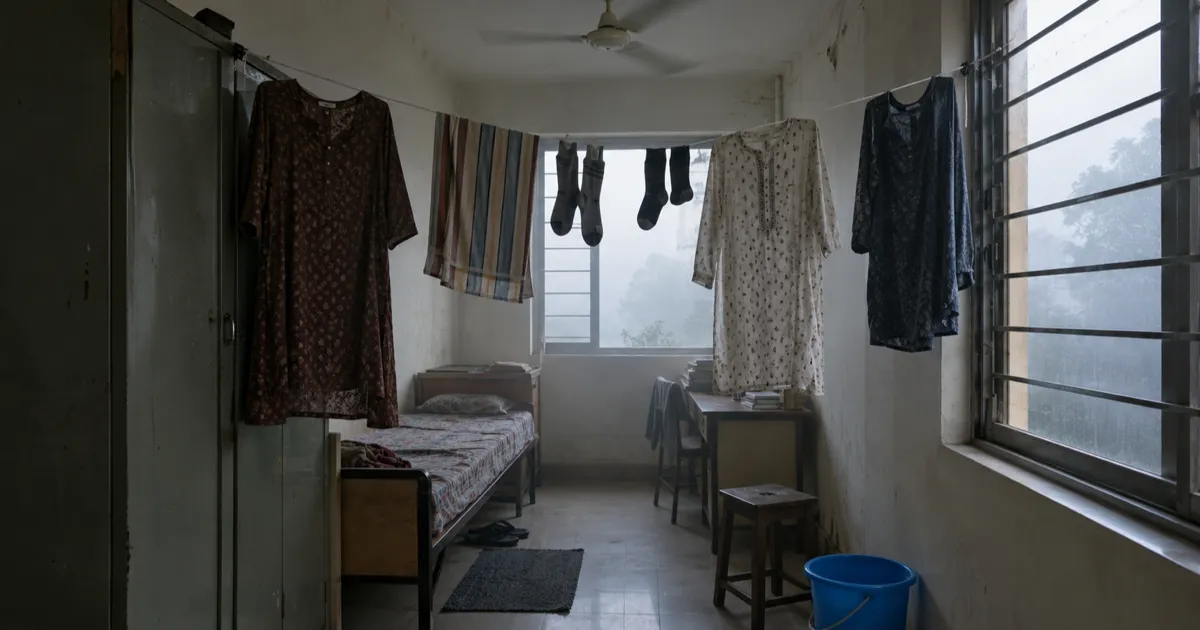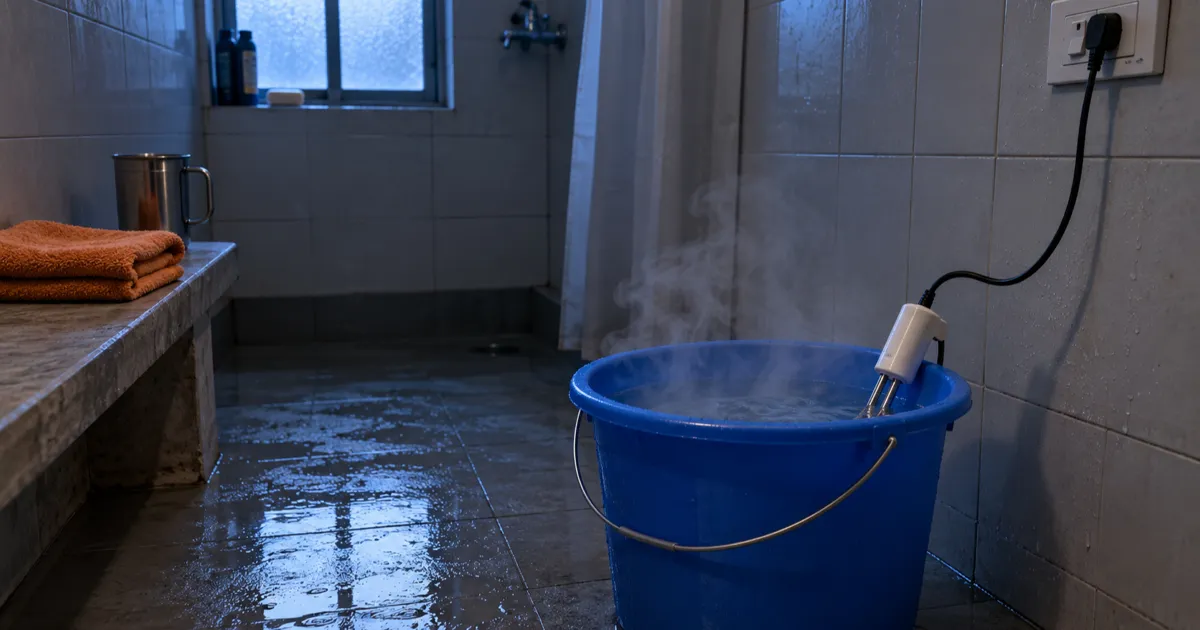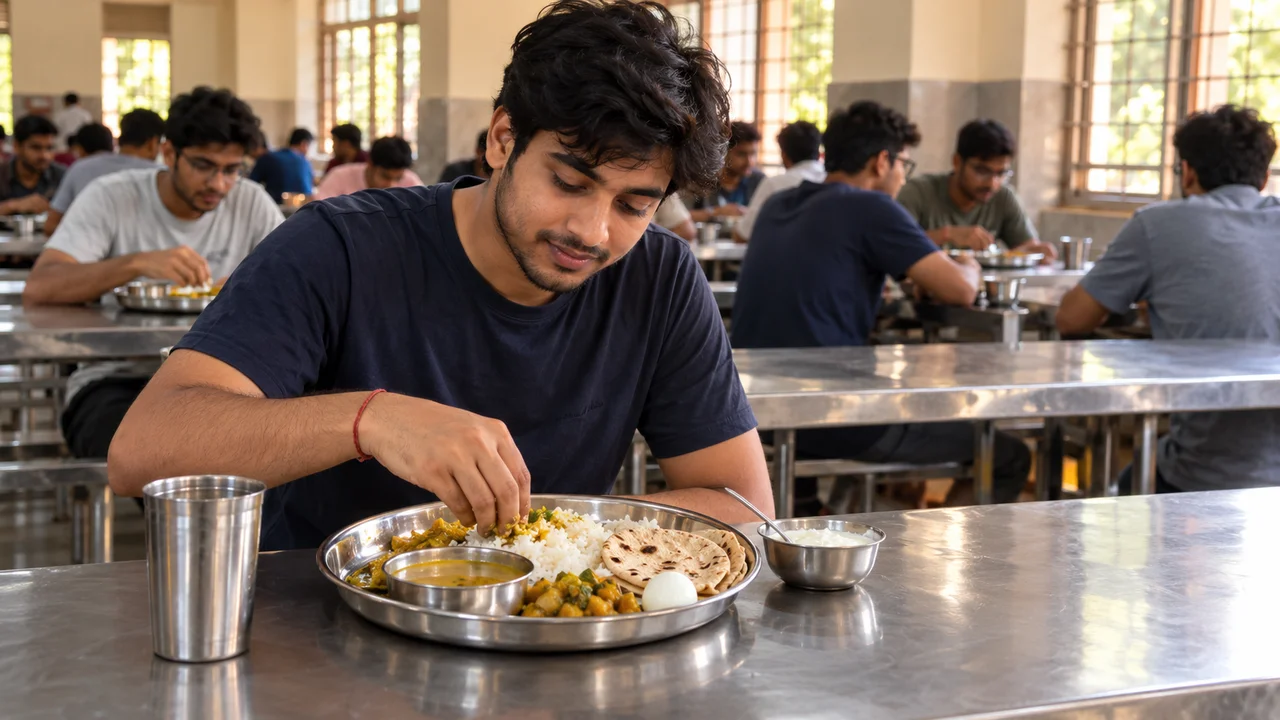
You can eat a high-protein diet in a hostel by getting the most out of what the mess already serves, then filling the gaps with cheap, no-cook foods like curd, eggs, peanuts and roasted chana. You don't need a kitchen or expensive supplements, just a plan for each meal and a small stock in your room. Mess food in India is often heavy on rice, rotis and thin gravies, so it's easy to fill up without getting much protein. This guide shows you how to change that step by step, on a student budget.
If you're new to hostel routines, mess timings and rules, start with our complete guide to hostel life in India, then come back to sort out your plate.
Key Takeaways
- Start with the mess: take a full serving of dal, chana, rajma, paneer or eggs before you load up on rice and rotis.
- Keep a small room stock of no-cook protein sources for hostel students, such as peanuts, roasted chana, curd and milk.
- Check your hostel's appliance rules before buying a kettle or cooker. Rules vary by hostel.
- Plan a simple weekly routine so protein shows up at breakfast, lunch, snacks and dinner.
- Talk to a doctor or dietitian before using supplements or if you have a health condition.
Before you start: what you'll need
You need very little to get going. The point is to work with your mess, not against it.
- The weekly mess menu: a photo of the notice board menu is enough.
- A small airtight box or two: for peanuts, roasted chana and other dry snacks.
- A steel tiffin or bowl and a spoon: handy for carrying curd or sprouts back to your room.
- A modest monthly food budget: even a small amount set aside for extras makes a difference.
- Your hostel's rules on appliances and food in rooms: ask the warden if they aren't written down.
A note on health: this is general eating guidance, not medical advice. If you have kidney problems, diabetes, allergies or any other condition, or you're training hard for a sport, ask a doctor or qualified dietitian what's right for you.
Step 1: Audit the mess menu for protein
By the end of this step, you'll know which mess meals already carry decent protein and which ones leave a gap. Most students never look at the menu this way, so it's the quickest win.
- Go through the weekly menu and mark every protein item: dal, chana, rajma, chhole, soya chunks, paneer, eggs, chicken, fish, curd, buttermilk and milk.
- Note which meals have none. Breakfast is often the weakest, with poha, upma or bread alone.
- Check how the items are served. A thick dal counts for more than a watery one, and a curd bowl beats a splash of raita.
- Write the gaps down, for example "Tuesday breakfast, Thursday dinner".
Check: you should have a short list of weak meals. Those are where your room stock and extras will go.
Step 2: Rebuild your mess plate
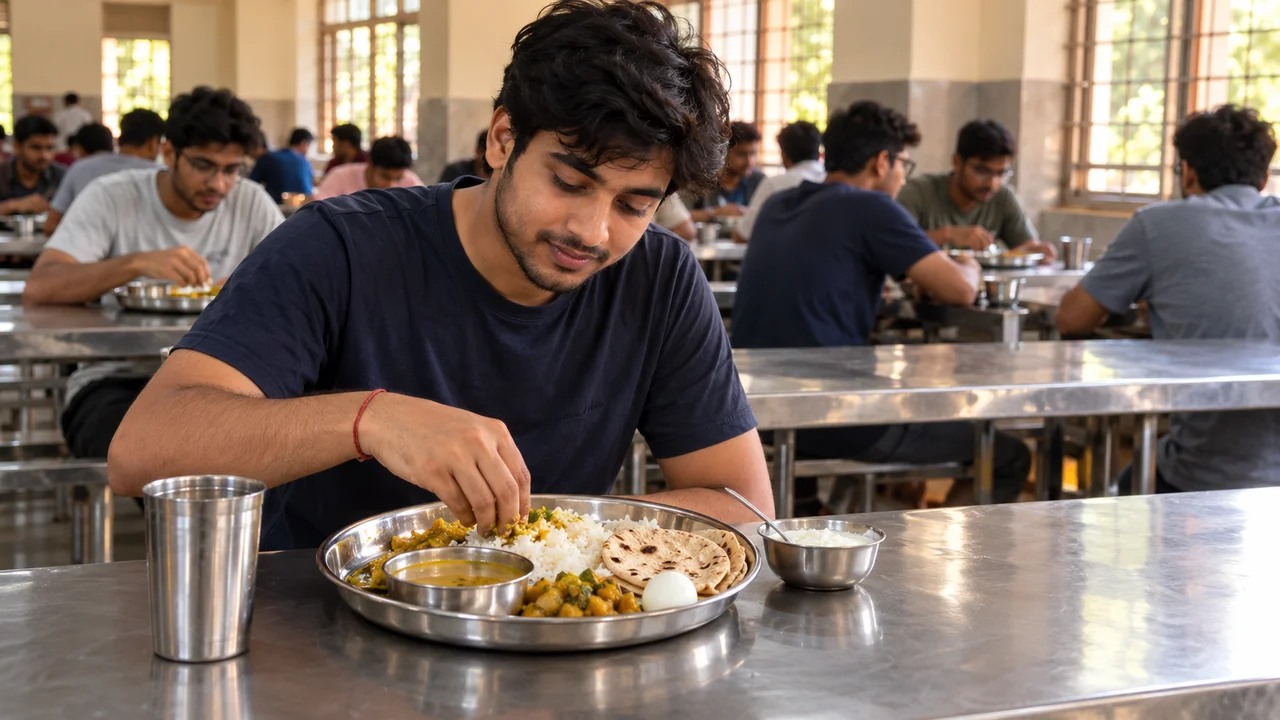
Change the order you fill your plate: protein first, then vegetables, then rice or rotis. You'll eat the same mess food, just in a better balance.
- Take a full bowl of dal, chana or rajma, and ask for a second helping if refills are allowed.
- Never skip the curd, egg or paneer when it's on the menu, even if you're full of rice.
- Eat the dal with the sabzi rather than soaking extra rice in thin gravy.
- If the mess serves eggs or non-veg on set days and you eat them, plan to be there on those days.
The World Health Organization lists legumes such as lentils and beans, along with nuts and whole grains, as part of a healthy diet, and advises limiting salt and free sugars. Dal and chana tick that box, while fried snacks from the canteen usually don't.
Check: after a week, your plate should look less like a pile of rice and more like a balanced thali.
Step 3: Stock no-cook protein in your room
A small stash of shelf-stable or quick-to-buy foods covers the gaps from Step 1 without any cooking. These are the most practical protein sources for hostel students who can't use appliances.
| Food | Storage | How to use it |
|---|---|---|
| Roasted peanuts | Airtight box, room temperature | A handful with breakfast or as an evening snack |
| Roasted chana | Airtight box, room temperature | Mix with peanuts for a quick study snack |
| Curd or buttermilk | Buy fresh and finish the same day unless you have a fridge | With lunch, or on its own after class |
| Milk (packet or tetra pack) | Tetra packs keep unopened; finish once opened | With breakfast or before bed |
| Boiled eggs | Buy from a nearby stall or canteen; eat the same day | Add to a weak breakfast |
| Sprouts chaat | Buy fresh from a local vendor | Evening snack instead of fried food |
Store dry food in sealed boxes so it doesn't attract ants or rats, and don't keep perishables like curd or eggs overnight without a fridge. Some hostels restrict food in rooms, so check yours.
Check: each weak meal on your list should now have one stock item you can reach for.
Step 4: Check the rules before cooking anything
Only cook in your room if your hostel clearly allows the appliance. Rules vary a lot: some hostels permit an electric kettle, others ban all heating appliances for fire safety.
- Read the hostel rules or ask the warden which appliances are allowed.
- If a kettle is allowed, it opens up simple options like boiled eggs or soaked and softened sprouts. Follow the maker's instructions.
- Never leave a heating appliance unattended, and keep it away from bedding and papers.
- If nothing is allowed, stick with Step 3. You'll still cover most gaps.
Shopping trips for eggs, milk and fruit are easier if you can get around. If you're thinking of bringing a two-wheeler, read up on parking rules for a bike in hostel before you do.
Check: you should know exactly what's permitted in your room, in writing or from the warden.
Step 5: Plan a simple weekly routine
A rough weekly plan makes sure protein shows up at every meal, not just when you remember. Keep it simple enough to follow during exams.
| Meal | Mess first | Top-up if the mess falls short |
|---|---|---|
| Breakfast | Eggs, milk, besan chilla or sprouts if served | Milk, boiled egg from a stall, or peanuts |
| Lunch | Full bowl of dal or rajma plus curd | Buttermilk or curd bought nearby |
| Evening snack | Usually tea and a fried snack | Roasted chana and peanuts, or sprouts chaat |
| Dinner | Dal, paneer, egg or non-veg curry | Glass of milk if dinner was thin |
Set aside a fixed amount each month for these top-ups, and pay through UPI so you can see where it goes. If you're opening a new bank account or updating your SIM for that, our guide on address proof for PG tenants covers the paperwork.
Check: look back at the end of the week. If most meals had a protein item, the routine is working.
Step 6: Ask the mess for better protein options
A polite, specific request through the mess committee or warden can improve meals for everyone. Mess menus depend on budget and contracts, so be realistic.
- Gather a few residents who want the same change.
- Ask for one or two practical things, like eggs on more days, a thicker dal or chana at breakfast.
- Offer options, such as an optional paid egg counter, if the budget is tight.
- Follow up after a few weeks and thank the staff if things improve.
Common mistakes to avoid
The most common mistake is filling up on rice and rotis and leaving the dal half-eaten. That one habit undoes most of the effort.
- Jumping straight to protein powder: regular food is cheaper and easier to sustain. Speak to a doctor or dietitian before trying supplements.
- Relying on packaged "protein" snacks: many contain a lot of sugar or salt. Read the label.
- Keeping perishables too long: curd, milk and eggs spoil quickly without a fridge, and an upset stomach in a hostel is no fun.
- Breaking appliance rules: a confiscated kettle or a fine isn't worth one boiled egg.
Bottom line
A high-protein diet in a hostel mostly comes down to habits: put protein on your plate first, keep a small stock of no-cook foods, follow your hostel's rules and plan a simple weekly routine. Start by auditing this week's mess menu, then fill the gaps one meal at a time. If you have health concerns or specific fitness goals, a doctor or dietitian can help you set the right targets.
Protein only does its job if you're recovering properly, which is where Sleeping Better in a Noisy Shared Room comes in. If you plan to cook anything in your room, read Fire and Electrical Safety in Hostels and PGs first.