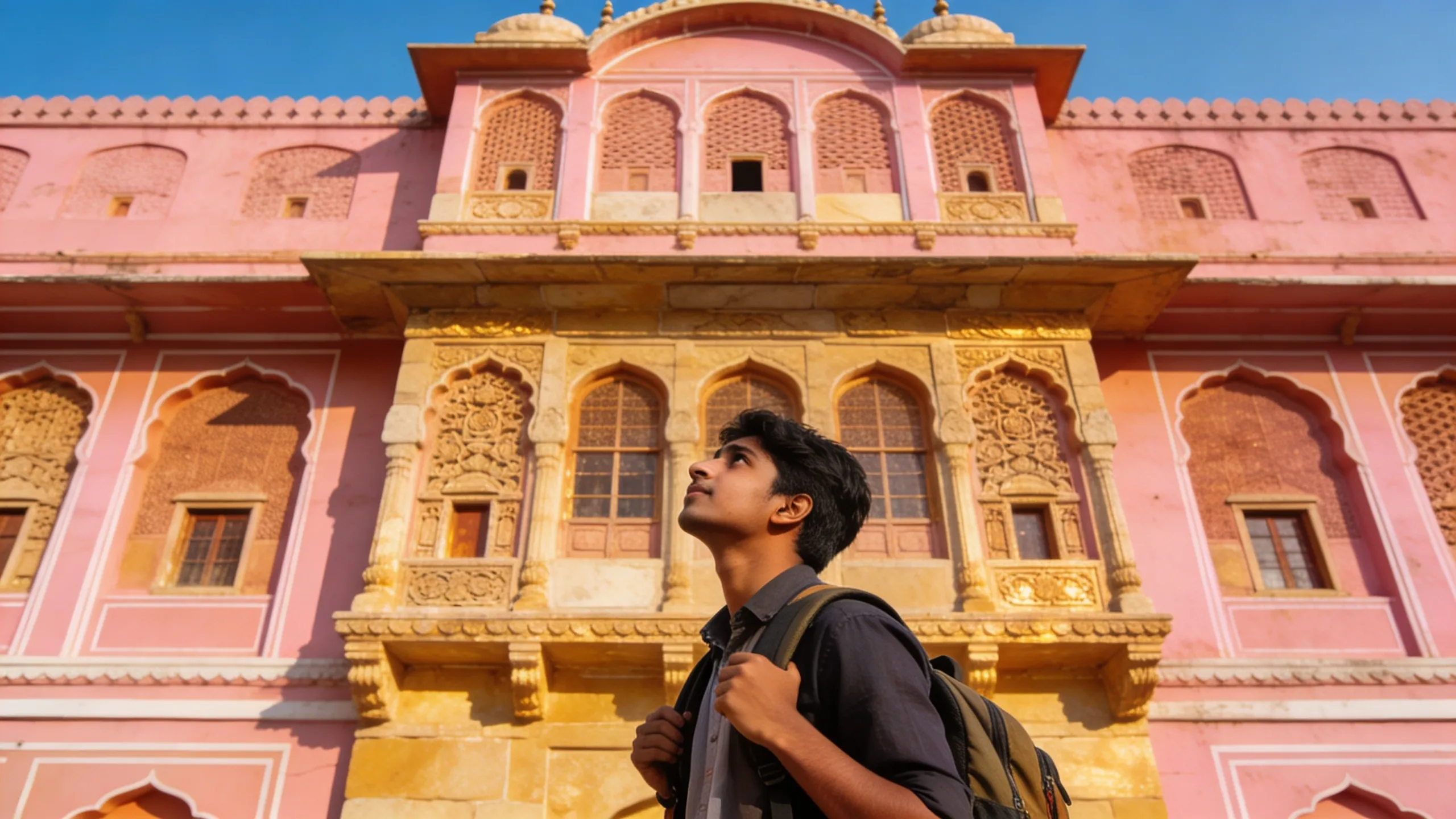
I've been visiting Jaipur regularly for over four years now, setting up hostel partnerships across the city. And every single trip, I end up having the same conversation with a wide-eyed first-year student: "I had no idea Jaipur would be like this."
Sometimes that's said with delight. Sometimes with mild horror. Mostly, it's a mix of both.
If you're moving to Jaipur for college and trying to figure out what you're actually getting into, this is the guide I wish existed when I first started spending serious time in the city. No rankings, no fabricated "top 10" lists -- just the honest stuff.
Jaipur Is Not What You Think It Is
Most students arrive with one of two mental pictures: a dusty, old-fashioned town full of palaces and camels, or a smaller version of Delhi. It's neither.
Jaipur is a proper city -- malls, metro, cafes, coworking spaces, the works. But it holds on hard to its traditions. You'll find a World Trade Park with international brands a few kilometers from old havelis where families follow customs unchanged for generations. This mix is what makes the city interesting, and occasionally bewildering.
The pace is slower than Mumbai or Delhi. Shops close earlier. Sunday mornings are quieter. People actually stop to talk. Give yourself a few weeks to adjust to the rhythm instead of fighting it.
Picking a Neighborhood: It's About Vibe, Not Just Rent
Where you stay will shape your college experience more than you realize. Here's what I've picked up from spending time across the city:
Mansarovar
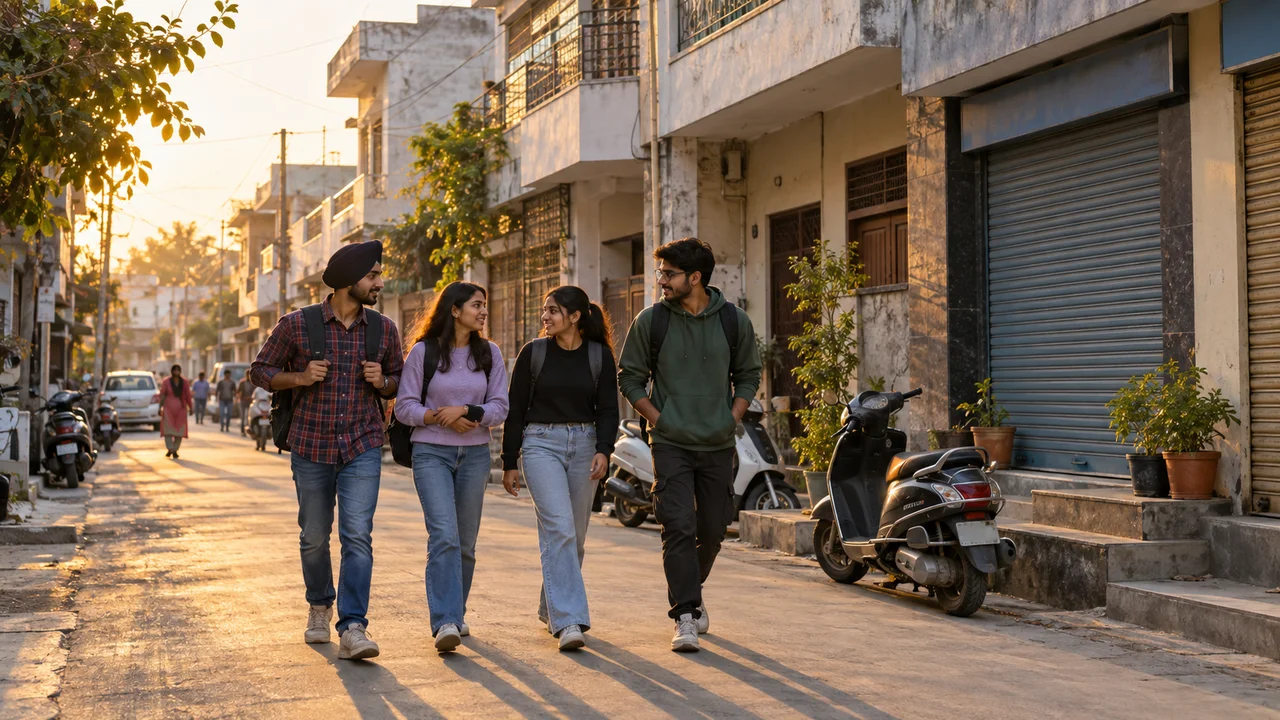
Where a huge chunk of Jaipur's student population ends up. A sprawling residential colony with everything you need within walking or short auto distance -- grocery stores, medical shops, food stalls. Not glamorous, but practical and budget-friendly. The vibe is very much "student town" -- you'll always find someone awake at 2 AM during exam season. Browse hostels and PGs in Mansarovar if you want to be where most Jaipur students already are.
Malviya Nagar
A step up in polish. Wider roads, better connectivity, proximity to several colleges and IT offices. Popular with students and young professionals, so the food scene is solid. Feels a bit more settled without being expensive. Worth comparing PGs in Malviya Nagar against Mansarovar before you decide.
Vaishali Nagar
Pricier, but the infrastructure is noticeably better. Good malls, cleaner streets, residential-suburban feel. Students here tend to have colleges nearby or don't mind a longer commute for comfort. If that trade-off suits you, browse hostels and PGs in Vaishali Nagar.
C-Scheme and Raja Park
Central Jaipur, where the city feels most alive -- cafes, restaurants, shopping streets, cultural events. C-Scheme is upscale; Raja Park is more middle-ground and well-connected. For people who need to be "in the thick of things" to feel at home. Of the two, PGs in Raja Park are the more affordable.
Jagatpura and Sitapura
Newer, developing areas on the outskirts, near Manipal University and JECRC. Lots of purpose-built student hostels. Further from the city center, but if your campus is out here, commuting from elsewhere makes no sense. Start with hostels and PGs in Jagatpura, which has the bigger selection of the two.
My advice? Visit the neighborhood before you lock in accommodation. Walk around in the evening. Check how far the nearest metro or bus stop is. A place can look perfect in photos and feel wrong in person.
You can browse options by area on our Jaipur hostel listings page.
Getting Around: The Transport Reality
Let me be direct: Jaipur's public transport is a work in progress.
The Jaipur Metro is clean, air-conditioned, and affordable, but covers a limited stretch. Unless your college and hostel both sit along the line, it won't be your daily commute.
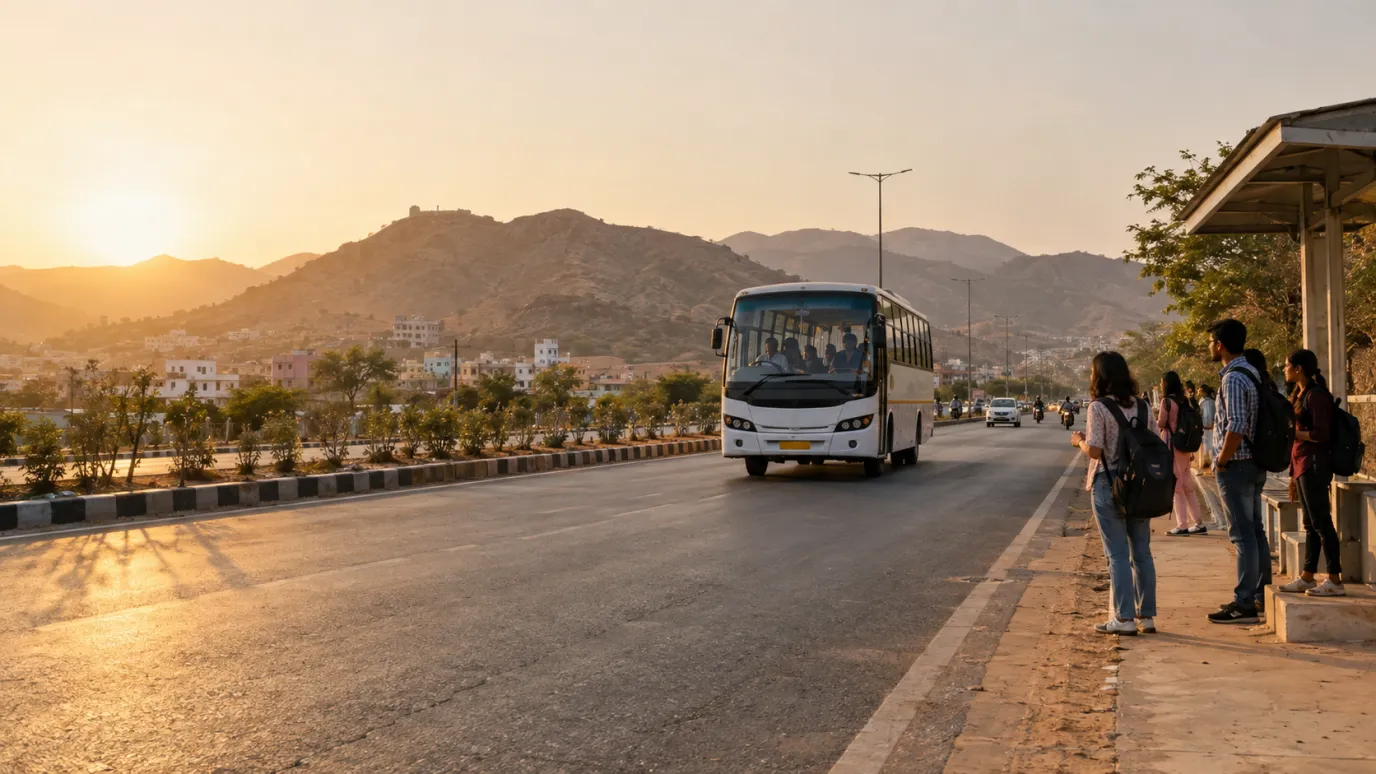
City buses are the cheapest option with monthly passes, but crowded and not always on schedule. Students tell me they budget extra time every morning just in case.
Auto-rickshaws are the real workhorse. They'll get you anywhere, and for short distances they're reasonable. Most autos run on negotiated fares rather than meters -- learn the going rate for your regular routes in the first week.
Ola and Uber work but surge pricing adds up fast. Most students use app cabs for outings, not daily commutes.
The real hack? Get a bicycle or a second-hand scooter. Jaipur is flat enough that cycling works for shorter distances, and a two-wheeler gives you freedom nothing else matches.
The Food Situation (You're Going to Eat Well)
If there's one thing Jaipur gets right, it's food. And I say this as someone who has eaten in student hostels across six cities.
Pyaz kachori for breakfast is a Jaipur institution -- crispy, spicy, deeply satisfying, and cheap enough to eat daily (your digestive system might disagree with "daily," though). Mirchi vadas, samosa chaat, kulhad lassi -- the variety is endless.
Then there's dal bati churma -- baked wheat balls with lentil curry and a sweet crumbled wheat dessert, drenched in ghee. Heavy, rich, and an emotional experience for most Rajasthanis. You'll find it everywhere from street stalls to heritage restaurants like Chokhi Dhani.
For South Indian students or anyone used to rice-based meals: Jaipur is heavily wheat and dal territory. South Indian restaurants exist but aren't on every corner. Most hostel kitchens serve North Indian food. If you have specific dietary needs, check the hostel menu before you commit.
Surviving the Weather (Read This Twice)
Jaipur's summer heat is not like other Indian cities' summer heat. From April to June, temperatures regularly cross 40°C, sometimes pushing past 45°C. There's a hot wind called "Loo" that blows during peak afternoon hours and can genuinely make you sick. Heat exhaustion happens to students every year, especially those from coastal or hill regions who've never dealt with dry heat.
What actually works:
- Never skip meals before going out. An empty stomach makes heat illness more likely.
- Stay indoors between 1 PM and 4 PM during peak summer.
- Hydrate aggressively. Nimbu pani, coconut water, sugarcane juice, buttermilk (chaas) -- Jaipur's summer drinks are delicious. Lean into them.
- Cover your head. A cotton scarf or cap makes more difference than you'd expect.
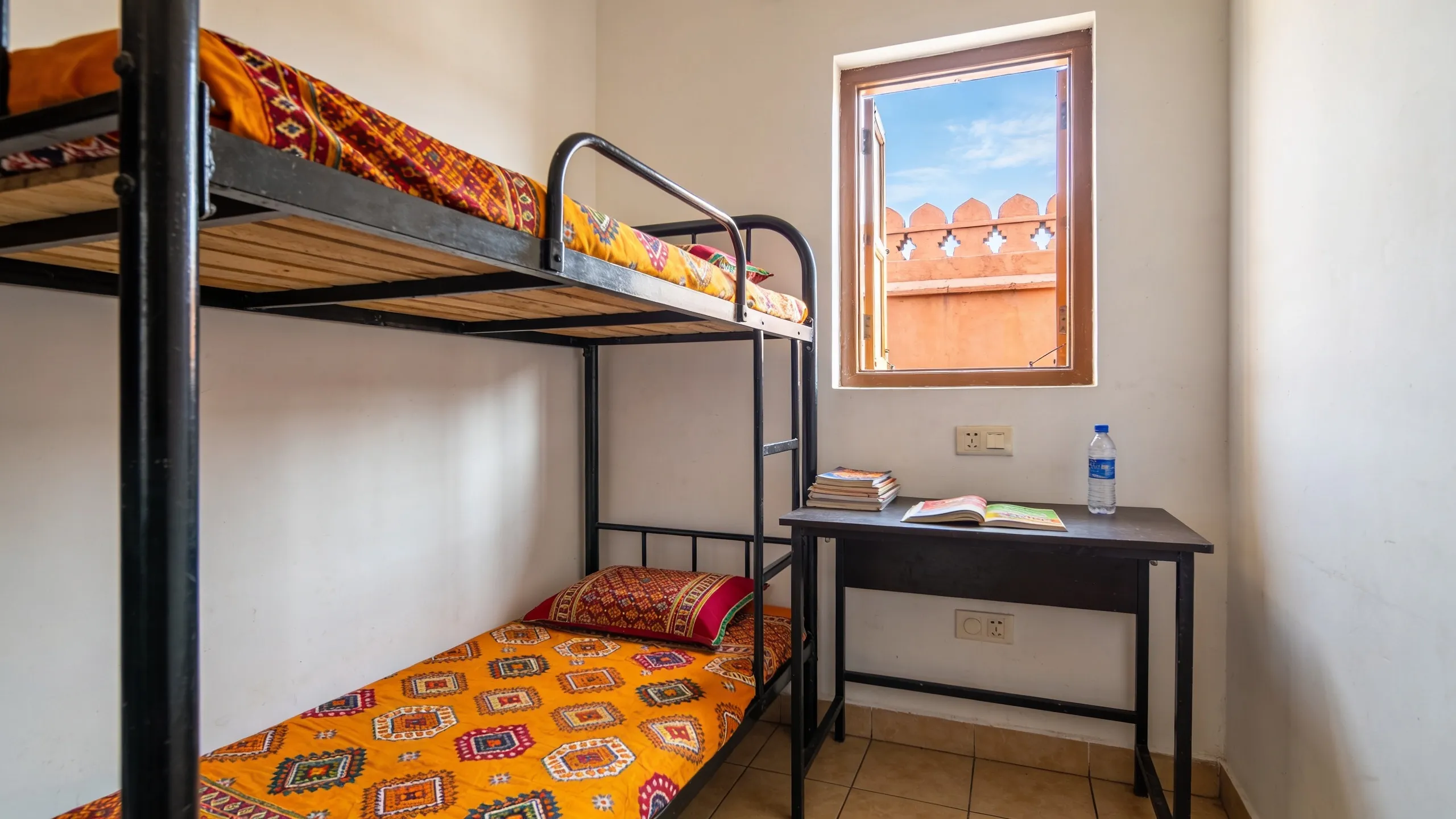
- Confirm your room has a cooler or AC. A room without either is unlivable in May.
The silver lining: winters (October through February) are genuinely beautiful -- cool days, chilly evenings, morning fog. Monsoon (July to September) brings relief but also humidity and mosquitoes. Pack for all three seasons -- our hostel packing guide has the full list.
Culture Shock Nobody Warns You About
- The city shuts down early. Most street food vendors and small restaurants wind down by 9:30-10 PM. If you're from Mumbai, recalibrate your dinner clock.
- Rajasthani hospitality is intense. Make friends with a local classmate and expect to be invited home for meals and treated like a guest of honor. Accept it -- it's genuine.
- Strong vegetarian food culture. Entire neighborhoods lean heavily veg. Some hostels are strictly veg. If non-veg is essential, confirm before booking.
- Hindi is the default. Auto drivers, shopkeepers, and vendors speak Hindi (and often Marwari). Basic Hindi makes daily life much smoother. Most non-Hindi students pick it up within a couple of months.
- Festivals are a big deal. Teej, Gangaur, Diwali, Holi -- expect processions, firecrackers, and hostel common rooms turning into celebration zones. Wonderful, but loud. Exam season + festival season = invest in earplugs.
Social Life and Student Hangouts
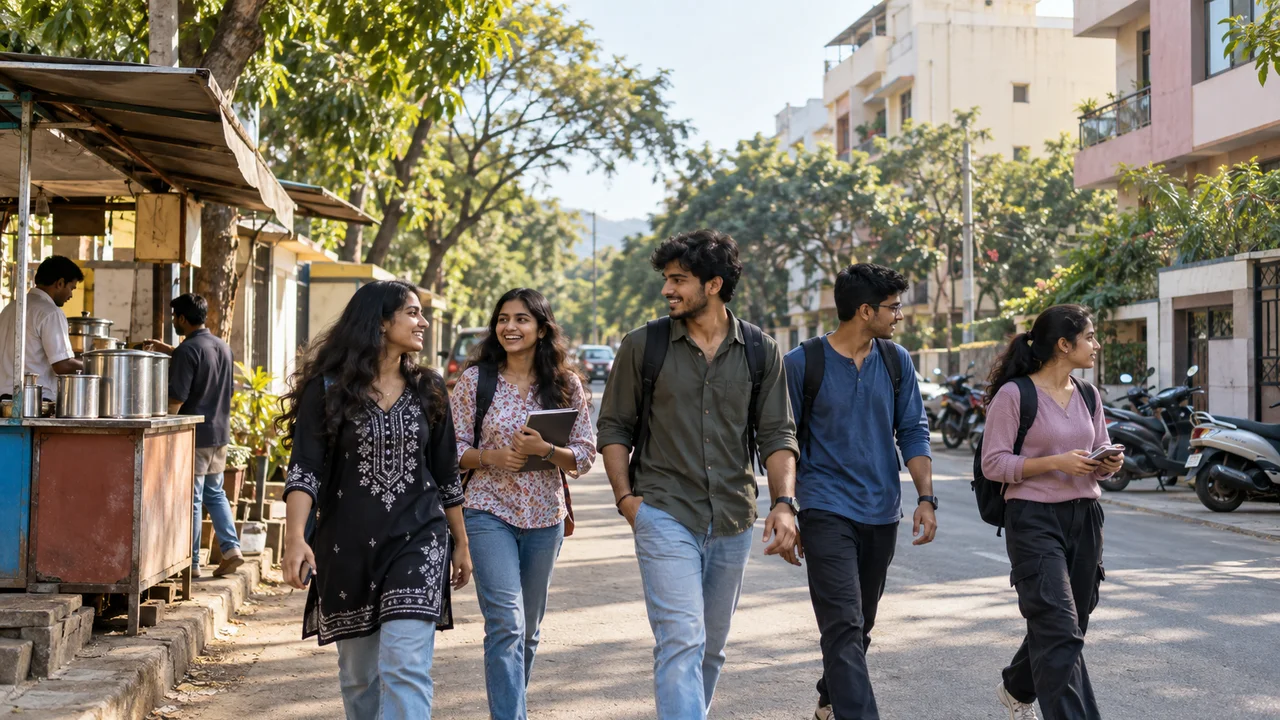
Tapri (The Tea House) -- Jaipur's answer to the college canteen, except cooler. Quirky, postcard-covered walls, dozens of tea varieties, affordable snacks. It's where everyone ends up.
Nahargarh Fort at sunset -- Every Jaipur student has done this. Ride up to the fort, grab something from the rooftop cafe, watch the Pink City light up. It never gets old.
World Trade Park and GT Central -- Standard mall hangouts for movies, food courts, and weekend window shopping.
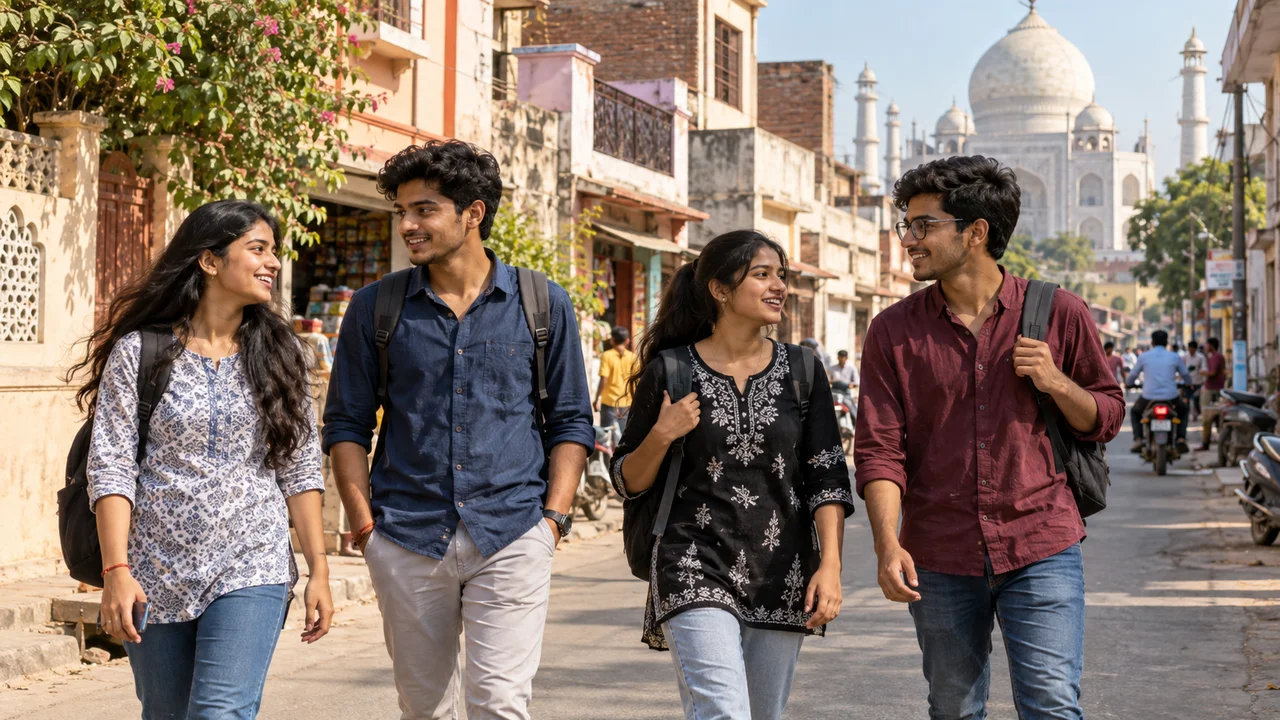
Amer Fort, City Palace, Albert Hall Museum -- Yes, they're tourist spots, but students genuinely visit them on weekends. Having them in your backyard is a privilege worth using.
One thing I've noticed: Jaipur's social life revolves around food and chai, not nightlife. The dominant culture is meeting at a dhaba, a chai stall, or someone's hostel room with snacks. If you're expecting a Bangalore pub scene, recalibrate. What Jaipur offers is arguably more relaxed and inclusive.
Practical Tips
- Set up a local bank account early. Most hostels and landlords prefer UPI or bank transfer.
- Save emergency numbers. Police helpline, hostel warden, nearest hospital. Read our hostel safety tips before you move.
- Don't overpack. Jaipur has markets for everything -- buy what you need locally.
- Get a local SIM card. Network coverage varies by provider and area. Ask hostel-mates which works best.
- Learn auto fare etiquette. Negotiate before you sit. Be firm, not rude. If the rate feels high, try the next one.
- Use your campus library. Many college libraries in Jaipur are air-conditioned and become your best friend from April onwards.
- Explore the old city. Johari Bazaar, Bapu Bazaar, the lanes behind Hawa Mahal -- these places have a character that malls can't replicate.
Is Jaipur Right for You?
Here's what I tell students who ask directly: Jaipur is a genuinely good city for college. The cost of living is reasonable compared to Delhi, Mumbai, or Bangalore. The people are warm. The food is outstanding. There's enough going on to keep you from getting bored, without the chaos of a mega-city.
The challenges are real -- brutal summer heat, public transport that could be better, a pace that might feel slow if you're from a big city. But most students I've spoken to end up loving the place by their second semester.
Moving to Jaipur for college isn't just about getting a degree. It's about living in a city that's proud of its history while building something new. That rubs off on you in ways you don't expect.
If you're looking for a place to stay, browse hostels in Jaipur on Hostel360 -- filter by neighborhood, room type, and amenities to find your fit.