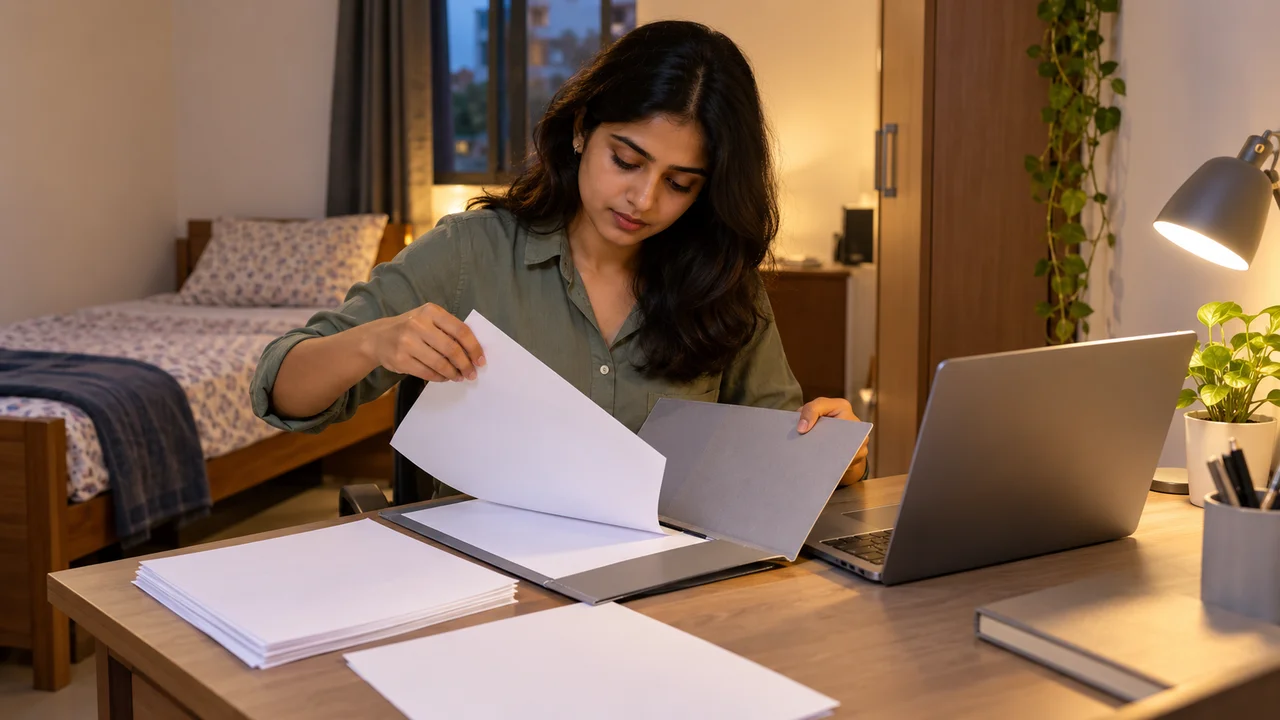
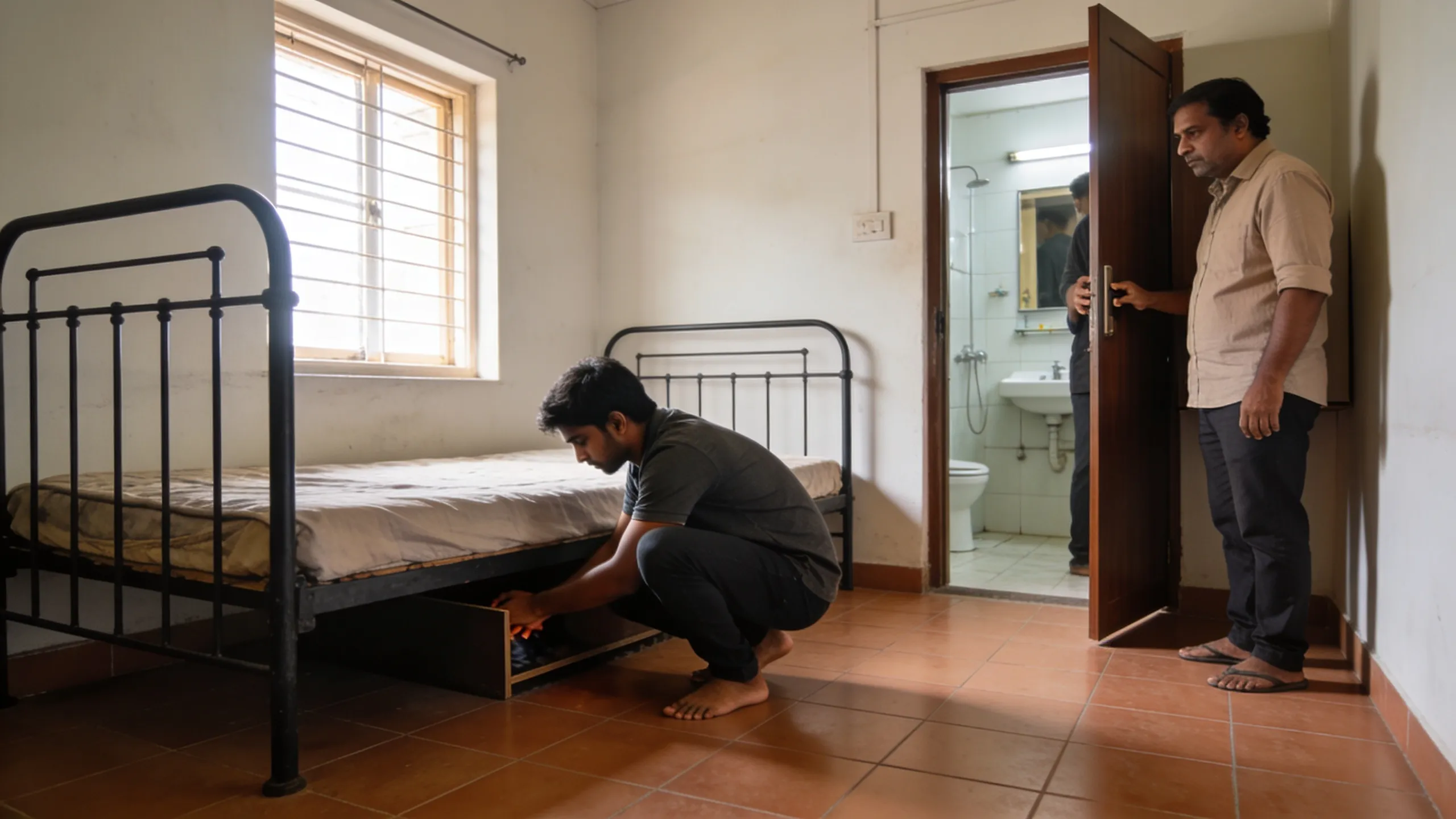
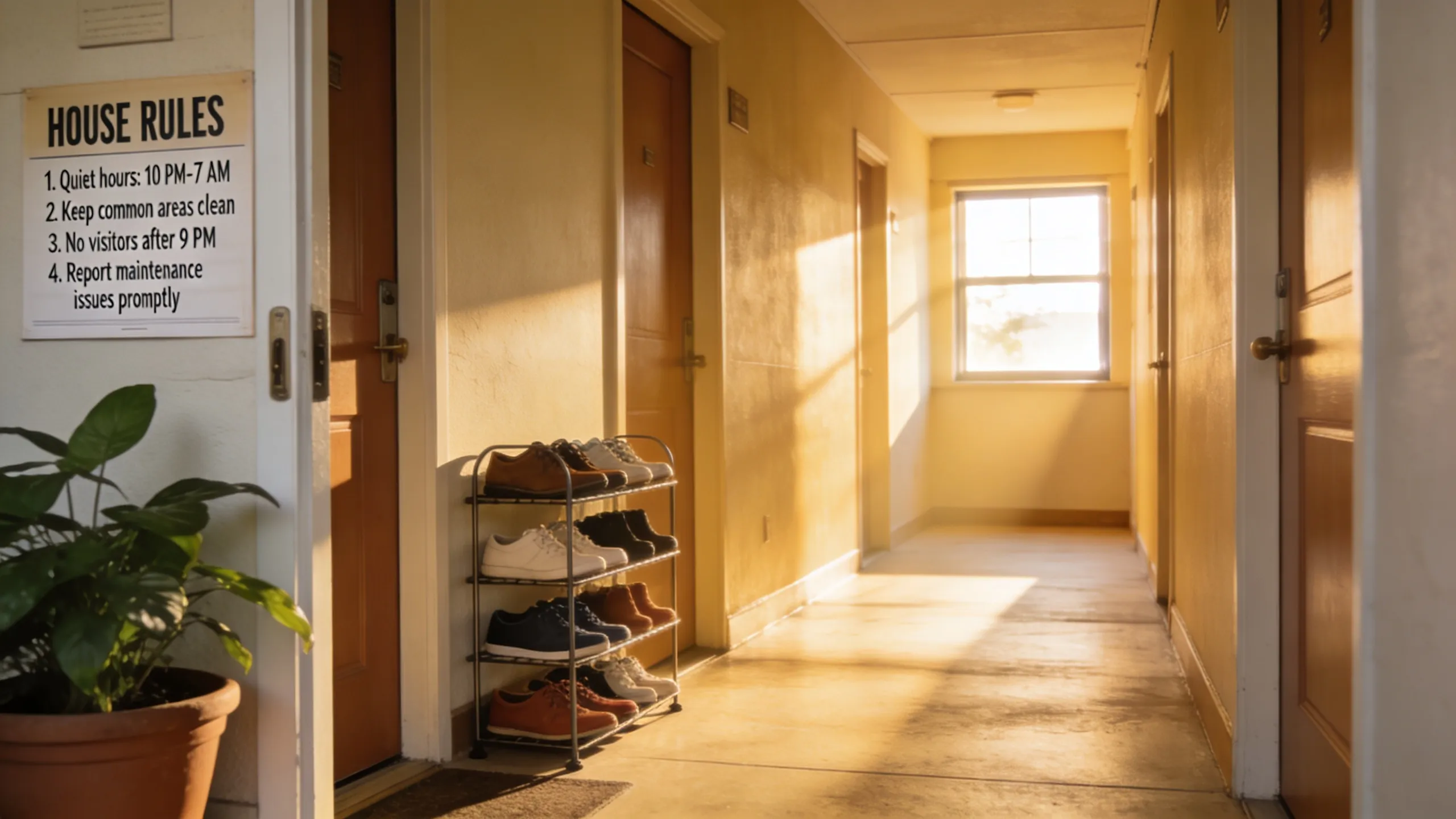
After inspecting over a hundred PGs in six cities, I can tell you the first 30 seconds of a visit tell you everything. The smell when you walk in, the state of the entrance, whether the shoes outside the rooms are arranged or dumped in a pile, these tiny signals reveal how a PG is actually run, not how it looks in photos online.
But most first-timers don't have the luxury of that experience. You're probably moving to a new city for college or your first job, you have a week (or less) to find a place, and you're scrolling through listings on your phone trying to figure out which ones are even real.
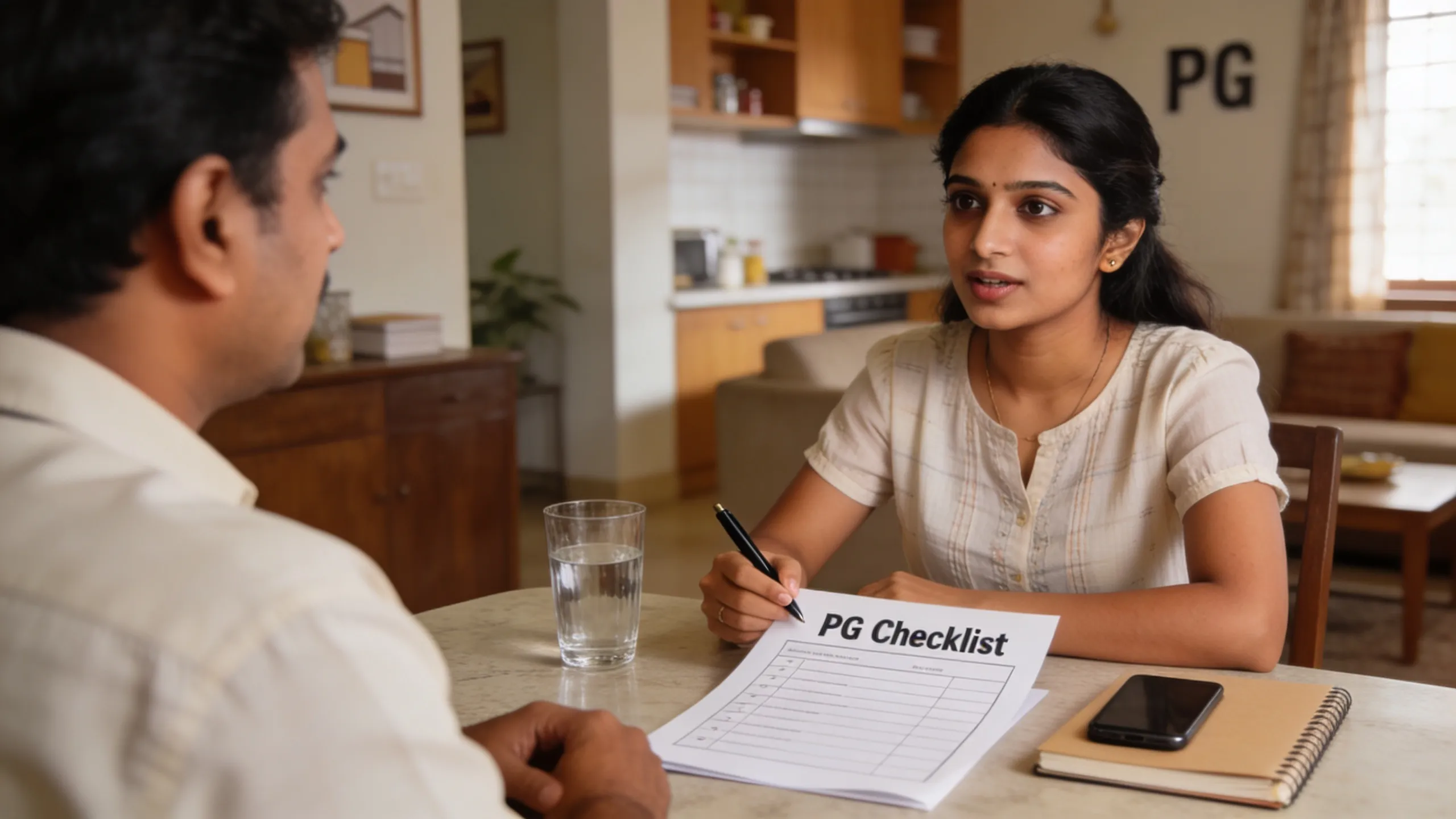
This guide is the checklist I wish someone had handed me years ago. It covers everything you should look at, ask about, and verify before you sign anything or hand over money. Print it out or bookmark it, and take it with you when you visit PGs in person.
First Things First: Do You Even Need a PG?
Before we get into the checklist, a quick sanity check. PGs are not for everyone. Here's a rough comparison to help you decide:
If you want meals handled, zero setup hassle, and a short commitment, a PG is probably your best bet. If you want more independence and can manage a kitchen, look at flats. And if you're deciding between a hostel and a PG specifically, I've written a detailed breakdown in our hostel vs PG comparison guide.
Now, let's get into the actual checklist.
1. Location, The Non-Negotiable
The biggest mistake I see students make is falling for a nice-looking room in a terrible location. A PG with a rooftop lounge means nothing if your daily commute is 90 minutes each way.
What to check:
- Distance to your college or office: Under 30 minutes by your actual mode of transport (not Google Maps at 3 AM). Test the route during peak hours if you can.
- Public transport access: Is there a metro station, bus stop, or auto stand within walking distance? If you don't have your own vehicle, this is make-or-break.
- Neighbourhood essentials: Grocery store, pharmacy, ATM, clinic, all within a 10-minute walk. You will need these at 10 PM on a weekday; trust me.
- Safety of the area after dark: Visit the area in the evening once. Are the streets well-lit? Are there other residential buildings around? Is it isolated?
Pro tip: Open Google Maps, drop a pin at the PG address, and check what's within a 500-metre radius. That 5-minute search can save you months of frustration.
2. Budget, Know the Real Number
The rent you see in a listing is almost never the full amount you'll pay monthly. PGs have a way of adding charges that don't show up until you ask, or until you get your first bill.
What to ask:
- Base rent, and whether it's for a single, double, or triple-sharing room.
- Electricity charges, Is it included or split? Some PGs charge per AC usage or have a fixed "electricity fee" of a few thousand rupees a month on top of rent.
- Security deposit, Under the Model Tenancy Act (adopted by several states in 2026), the security deposit for residential rentals is capped at 2 months' rent. If anyone asks for 3–6 months upfront, that's a red flag.
- Food charges, Included or separate? If separate, get the exact monthly amount.
- Wi-Fi, laundry, housekeeping, Included or add-ons?
- Notice period penalty, What happens if you leave early? Some PGs forfeit your entire deposit.
Do this: Ask the owner to give you the total monthly cost in writing, rent plus every extra charge. Then add a modest amount as a buffer. That's your real budget number.
3. Room & Amenities, What to Actually Look At
This is where most people focus all their energy, but they look at the wrong things. Nobody cares if the wall is freshly painted if the mattress is 10 years old and the power socket doesn't work.
The room itself:
- Mattress quality: Sit on it. Lie on it. You'll spend 7–8 hours here daily. If it sags in the middle or smells musty, ask for a replacement before you move in.
- Ventilation and natural light: Open the window. Is there airflow? Can you see daylight? Rooms that are dark and stuffy at 2 PM will be miserable to live in.
- Storage: Is there a wardrobe or at least a cupboard with a lock? You need somewhere secure for your laptop, documents, and valuables.
- Power sockets: Count them. You need at least 2–3 accessible ones for your phone, laptop, and one more. Check if they actually work.
- Fan and AC: Turn them on. Do they work properly? Is the AC actually functional or just decorative?
Bathrooms:
- Shared or attached? If shared, how many people per bathroom? Anything over 4:1 means you're queuing up every morning.
- Water pressure and hot water: Turn on the tap. Check the geyser. Hot water availability in winter is non-negotiable, especially in North Indian cities.
- Cleanliness: Look at the corners, the drain, the area behind the toilet. If it's dirty during your visit (when they know someone is looking), imagine what it's like on a regular Tuesday.
Common areas:
- Is there a common room or lounge? A study area?
- Washing machine, how many, and is there a schedule or is it first-come-first-served chaos?
- Parking if you have a two-wheeler.
4. Food, Don't Skip This
If your PG includes meals, the food quality will make or break your experience. I've seen people leave great rooms because the food was inedible, and I've seen people stay in average rooms because the dal and roti reminded them of home.
What to do:
- Ask for a weekly menu. If they don't have one written down, that tells you the meals are unplanned, which usually means inconsistent.
- Ask current residents about the food. Not the owner. The residents. They'll tell you if the portions are small, if the quality drops after the first week, or if "non-veg twice a week" actually means egg curry and nothing else.
- Taste a meal if possible. Visit around lunch or dinner time and ask if you can try the food. Any PG that's confident about their kitchen will say yes.
- Check meal timings. If dinner is served at 7:30 PM sharp and you don't get home until 9 PM, you'll be ordering Swiggy every night, defeating the whole purpose.
- Can you opt out? Some PGs bundle food into the rent with no option to skip. If you're particular about your diet, this matters.
5. Safety & Security, The Stuff That Actually Matters
I rank this above amenities, above food, above everything. A nice room means nothing if you don't feel safe in it.
What to verify:
- Entry/exit security: Is there a gate with a lock? A guard? CCTV at the entrance? Or can anyone walk in off the street?
- Room locks: Do the room doors have proper locks? Can you use your own padlock or is it a shared key system?
- Visitor policy: Is there a sign-in process for guests? PGs that let anyone walk in unquestioned have a safety problem.
- Police verification: Does the PG do police verification of tenants? This is legally required in most states, and any PG that skips it is cutting corners on more than just paperwork.
- Fire safety: At minimum, a fire extinguisher on every floor. Check for it. Also look for clearly marked exit routes. In older buildings, this is often completely absent.
- Women's PGs specifically: Separate floors or buildings? Female warden or caretaker on-site? Restrictions on male visitors? These aren't just checkboxes, they're genuine safety measures.
6. The Rent Agreement, Read Every Line
This is the part most first-timers skip entirely, and it's the part that burns them later. A verbal promise from the PG owner is worth exactly nothing when there's a dispute about your deposit three months later.
What the agreement should include:
- Monthly rent amount and what it covers (meals, electricity, Wi-Fi, etc.).
- Security deposit amount and conditions for refund, including the timeline. Under new rental laws in several states, landlords must refund the deposit within 1–2 months of vacating.
- Notice period, typically 15–30 days. If it says 2–3 months, negotiate or walk away.
- Lock-in period, some PGs have a minimum stay of 3–6 months. If you leave before that, you might lose your deposit.
- Rent escalation clause, can the owner increase rent during your stay? Under the Model Tenancy Act provisions, rent can only be increased once every 12 months.
- House rules, guest policy, curfew timings, use of common areas. Get these in writing.
Critical: In states that have adopted new rental rules (effective 2026 in some states), rent agreements must be registered or digitally stamped within 60 days of signing. An unregistered agreement can be challenged by either party. Always push for a proper written agreement, not a WhatsApp message or a handshake.
7. Red Flags, Walk Away If You See These
After years of visiting PGs across India, I have a mental list of instant deal-breakers. If you spot any of these, leave. No matter how good the rent sounds.
- The owner won't let you see the room or says "the room you'll get is similar to this one." No. You see the exact room you're paying for. Period.
- No written agreement. "We don't do agreements here" = we don't want to be held accountable.
- Security deposit above 2 months' rent with no clear refund terms. Some operators collect 3–6 months and make it nearly impossible to get back.
- Dirty common areas during your visit. If the bathroom and kitchen aren't clean when they're trying to impress you, they'll be worse when you're a paying tenant.
- Current residents look unhappy. You can tell. If people avoid eye contact or seem hesitant when you ask them how the PG is, there's a reason.
- The owner gets defensive or evasive when you ask about charges, rules, or the agreement. Transparent operators welcome questions.
- No police verification process. This means the PG is operating informally. Your safety is secondary to their convenience.
- Overcrowded rooms. If they've squeezed 4 beds into a room meant for 2, the rest of the PG is probably over-capacity too.
The Quick-Reference Comparison Table
Take a screenshot of this table and carry it with you when you visit PGs:
| What to Check | Acceptable | Red Flag |
|---|---|---|
| Security deposit | 1–2 months' rent with written refund terms | 3+ months, no written terms, "non-refundable" |
| Rent agreement | Written, signed, with clear terms | Verbal only, vague terms, owner refuses to provide |
| Bathroom ratio | 1 bathroom per 3–4 people | 1 bathroom for 6+ people |
| Hot water | Geyser in bathroom, available daily | "Bucket hot water" or limited hours only |
| Food quality | Fixed weekly menu, residents satisfied | No menu, residents complain, kitchen is dirty |
| Wi-Fi | Dedicated connection, decent speed (10+ Mbps) | Shared mobile hotspot, constant buffering |
| Security | CCTV at entrance, locked gate, visitor log | No gate, no camera, anyone can walk in |
| Room condition | Working sockets, ventilation, clean mattress | Damp walls, broken fixtures, musty smell |
| Notice period | 15–30 days | 2–3 months or "non-negotiable" |
| Electricity charges | Included or clearly stated per-unit rate | Vague "we'll adjust later" or surprise bills |
The Visit Itself, How to Do It Right
Don't just visit once. And don't just visit during the day. Here's what I recommend:
- First visit (daytime): Tour the room, bathrooms, kitchen, common areas. Ask all the questions from this checklist. Take photos of everything.
- Second visit (evening, 7–9 PM): This is when you'll see the PG in its real state. Is it noisy? Is the food being served on time? Are the common areas being used or avoided? Talk to 2–3 residents without the owner present.
- Online verification: Search the PG name on Google Maps. Read reviews. Check if it's listed on verified platforms like Hostel360, we personally visit and vet the places on our platform, so what you see is what you get.

A Note on Negotiation
Yes, PG rents are negotiable, especially outside peak season (June–August in college cities). Here are a few things you can negotiate:
- Monthly rent: If you're willing to commit for 6+ months, ask for a discount. Most owners will drop a few thousand rupees a month for longer commitments.
- Security deposit: Offer to pay 1 month instead of 2. Some owners agree if you seem reliable.
- Room allocation: If there are multiple vacant rooms, ask for the one with better ventilation or a balcony. It doesn't hurt to ask.
- Meal customisation: If you're vegetarian or have dietary needs, ask if they can accommodate before you move in, not after.
The Bottom Line
Choosing a PG doesn't have to be overwhelming if you know what to look for. Stick to this checklist, visit at least a few options, read the agreement carefully, and trust your gut when something feels off.
The right PG won't just be a room, it'll be the place that lets you focus on what you actually moved to the city for. Whether that's cracking your first semester or nailing your first job, you want your living situation to be one less thing to worry about.
If you're currently looking, browse verified PGs and hostels on Hostel360, every property on our platform has been personally inspected, so you can skip the guesswork and focus on what matters. Searching in Jaipur? Start with the verified PGs and hostels in Jaipur.