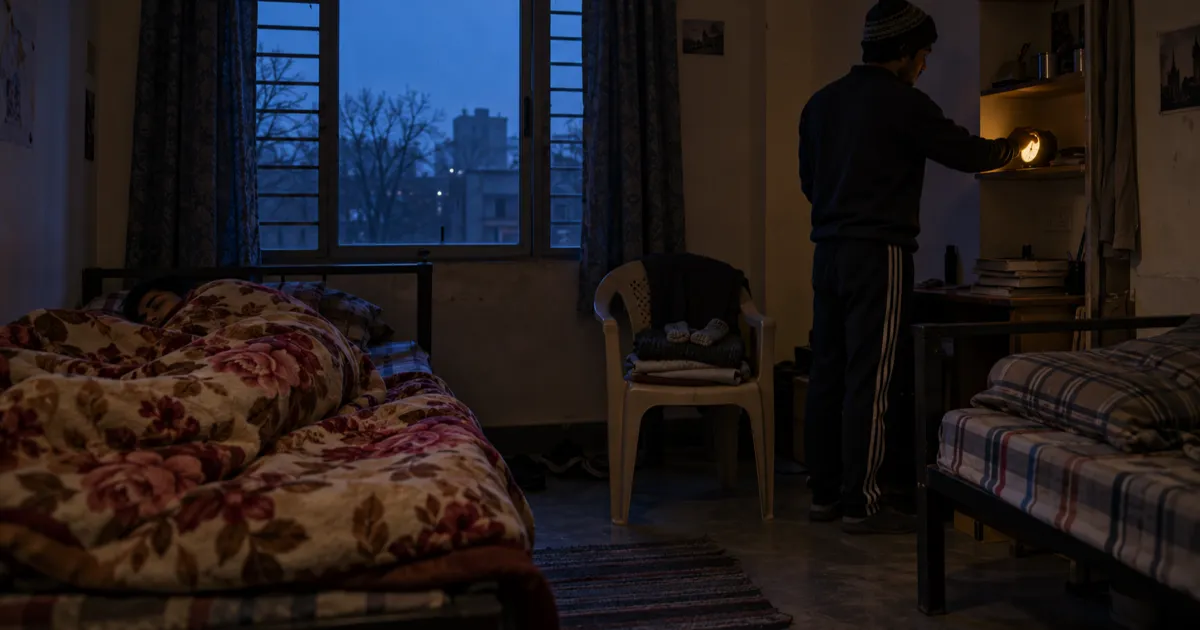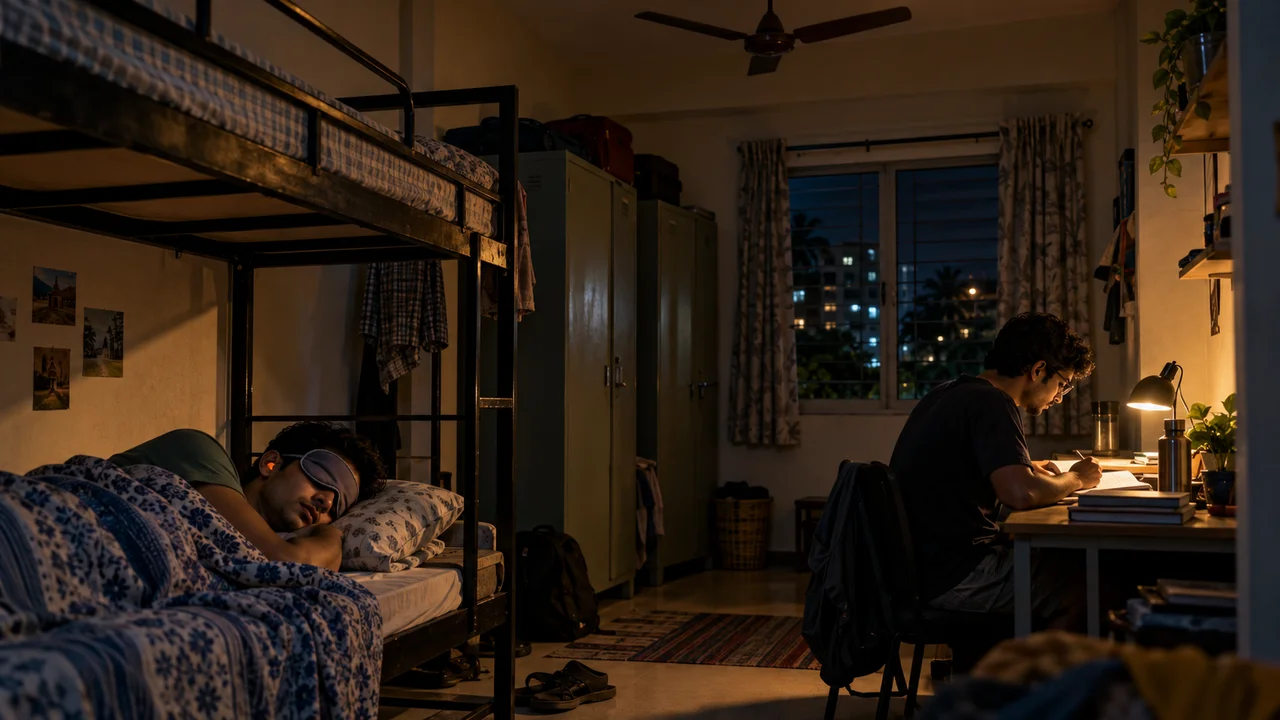
You can sleep better in a noisy shared room by controlling what you can (your bed corner, light, sound and routine) and agreeing simple quiet rules with roommates. Most of the gains come from earplugs or steady background sound, a darker sleep space and one honest conversation early on. Shared rooms are a normal part of student life, and so is the roommate who games past midnight or the corridor that never goes quiet. This guide walks through the steps in order, from quick fixes tonight to what to do if nothing changes.
If you've just moved in, the wider picture of daily routines, mess food and rules is covered in our complete guide to hostel life in India.
Key Takeaways
- Start with what you control: earplugs, an eye mask, a steady background sound and a tidy, darker bed corner.
- Talk to roommates early about quiet hours, lights and calls, before small annoyances turn into arguments.
- A consistent sleep and wake time makes it easier to fall asleep, even when the room isn't perfect. In winter, our guide to waking up early in a cold hostel room helps you hold that schedule.
- If noise continues after a clear request, take specific details to the warden or manager. Rules vary by hostel.
- Never cover lamps, chargers or sockets with cloth to block light. Use a proper clip-on lamp or a curtain away from wiring.
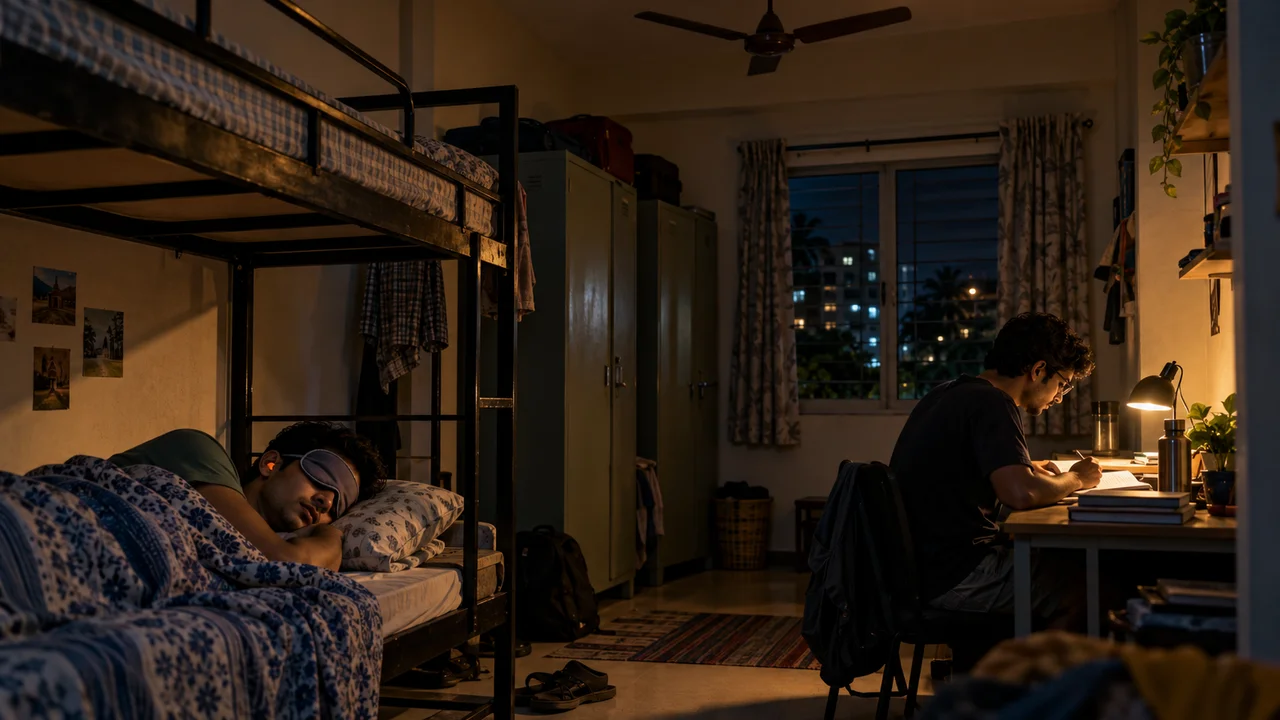
Before you start: what you'll need
You don't need expensive gear. A few low-cost items cover most problems, and you'll likely find them at a local chemist or general store.
- Foam or silicone earplugs: try a couple of types, because fit differs from person to person.
- An eye mask: the simplest answer to tube lights, phone screens and corridor glow.
- A steady sound source: a table fan, the ceiling fan or a white-noise track on your phone at low volume.
- A clip-on reading lamp: useful for you, and an easy thing to suggest to a roommate who studies late.
- Patience for one conversation: the roommate talk does more than any gadget.
Step 1: Set up your bed corner for sleep
By the end of this step, your bed should feel like a calmer, darker spot than the rest of the room. You can't redesign a shared room, but you can change the small space you sleep in.
- If you get a choice of bed, the one furthest from the door and the corridor usually gets less foot traffic and light.
- Keep the bed for sleep. Studying, eating and scrolling there trains your brain to stay alert in that spot.
- Hang a light curtain or bedsheet from the upper bunk or a cupboard edge if your hostel allows it. Keep any fabric well away from lights, extension boards and chargers.
- Keep your water bottle, earplugs and mask within reach so you don't need to switch anything on at night.
Fabric near wiring is a real risk in crowded rooms, so read our hostel fire safety guide before you rig anything up.
Check: lie down with the main light on. If your eyes still feel the glare, add the mask or adjust the curtain.
Step 2: Block or mask the noise
Earplugs reduce the volume, and a steady background sound hides the sudden noises that wake you. Using both together works better for many people than either alone.
- Roll foam earplugs thin, insert them and hold for a moment while they expand. If they keep falling out, try a smaller size or silicone ones.
- Turn on a fan or a soft white-noise or rain track. Keep the volume low enough that your roommate isn't bothered.
- Avoid sleeping with in-ear headphones playing loud music. It's uncomfortable on the side you lie on and keeps your brain engaged.
- Set a vibration alarm or a phone placed near your pillow if earplugs make you worry about missing the morning alarm.
Check: after a few nights, notice whether door slams and phone pings still wake you. If they do, adjust the sound level or earplug fit before trying something new.
Step 3: Agree quiet hours with your roommates
A short, friendly conversation in the first week prevents most sleep conflicts. People usually aren't trying to annoy you. They just don't know what bothers you.
- Pick a relaxed moment, not the night you've been woken up. Annoyance makes the talk harder.
- Agree on a few basics together: a time after which the main light goes off, headphones for videos and calls, and phones on silent.
- Offer something in return. If you wake early, promise to pack your bag the night before and leave quietly.
- Write the agreement on a sticky note near the door if your room likes clear rules.
| Common issue | Simple agreement to suggest |
|---|---|
| Late-night studying | Clip-on lamp instead of the tube light after the agreed time |
| Phone calls at night | Take calls in the corridor or common room |
| Gaming or videos | Headphones only, and no voice chat after lights-out |
| Early alarms | Vibration alarm, bag packed the night before |
| Guests in the room | Agree when visitors leave, within the hostel's own rules |
Check: after a week, ask casually how the arrangement is working for everyone. Small changes then are easier than a big argument later.
Step 4: Build a steady sleep routine
Going to bed and getting up at roughly the same time helps you fall asleep faster, even in an imperfect room. Hostel schedules swing a lot between exam weeks and holidays, so a routine gives your body something to hold on to.
- Choose a realistic wake time based on your earliest regular class, and keep it close on weekends.
- Keep the last part of the evening calm. Dim your screen, put the phone away and do something low-effort.
- Go easy on tea, coffee and energy drinks later in the day, since many students find they stay wired long after.
- Avoid very heavy late meals. If hunger keeps you up, a light snack works better. For daytime eating that keeps you full, see these tips on a high protein diet in hostel mess food.
- If you can't sleep after a long while, get up, sit somewhere dim and quiet, and return when you feel sleepy.
Check: you should notice that falling asleep gets easier over time. If your sleep stays poor for weeks despite these changes, speak to the campus health centre or a doctor.
Step 5: Escalate politely if nothing changes
If noise continues after a clear request, take it to the warden or PG manager with specific details. Escalation works best when it's calm and factual.
- Note what happens and when, for example loud music most weeknights well after lights-out.
- Mention what you've already tried, including the conversation with your roommate.
- Ask what the hostel's quiet-hour rules are. Rules vary by hostel and PG, and some have none written down.
- If the clash is about schedules rather than behaviour, ask whether a room or bed swap is possible.
Treat a complaint as a request for help, not a punishment. You'll still share the corridor afterwards.
Mistakes that make sleep worse
The biggest mistake is waiting until you're exhausted and angry before saying anything. By then the conversation turns into a fight.
- Covering lights with cloth or paper: it's tempting, but it's a fire risk. Use a mask or a separate curtain instead.
- Fighting noise with more noise: blasting your own music to drown others out keeps everyone awake, including you.
- Catching up with long afternoon naps: they can push your night sleep later and keep the cycle going.
- Scrolling in bed until you drop: the screen and the content keep your mind active.
Bottom line
Better sleep in a shared room comes from a small set of habits: a darker bed corner, earplugs with steady background sound, a fair agreement with roommates and a routine you stick to. Start with the gear tonight, have the roommate conversation this week and escalate only if you need to. Your next read could be the guide on hostel fire safety, since many sleep fixes involve lights and wiring.
Late guests are a frequent cause of lost sleep, and Hostel Visitor Rules: Parents, Friends and Overnight Guests tells you what your roommate is actually allowed to do. If you sleep with earplugs and an eye mask, it also pays to read Preventing Theft in a Hostel Room so your phone and wallet stay safe overnight.