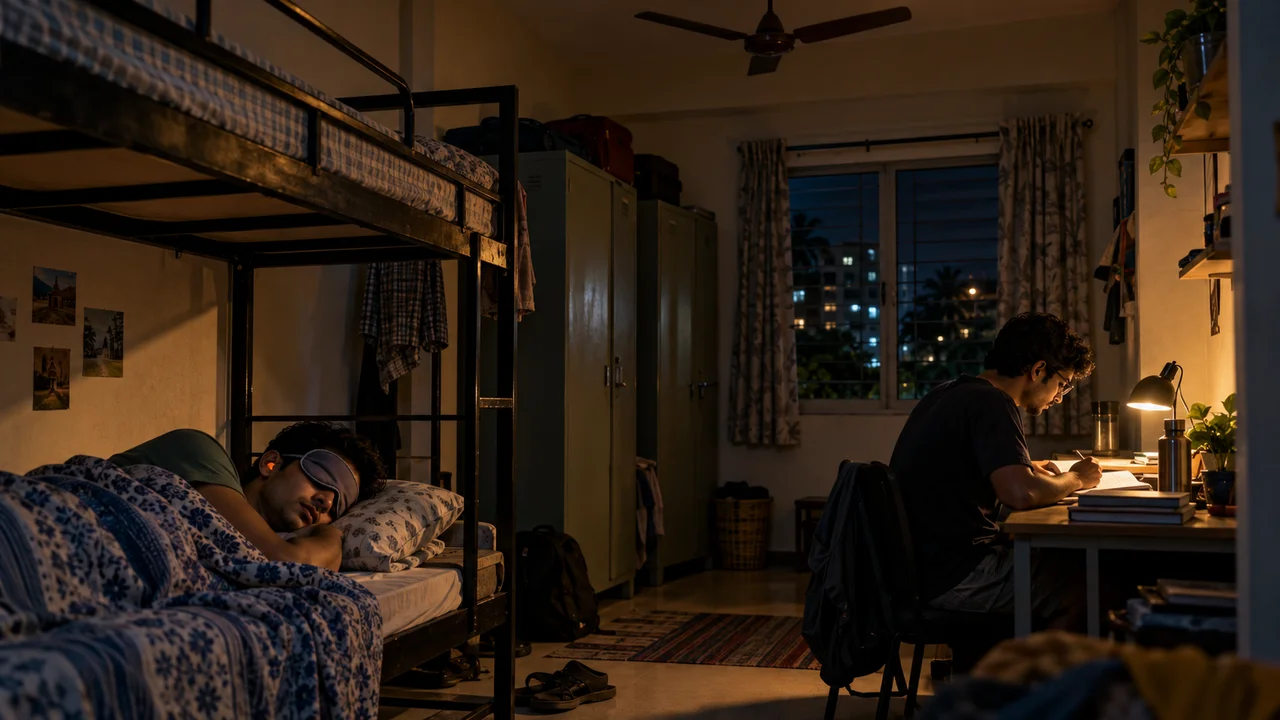
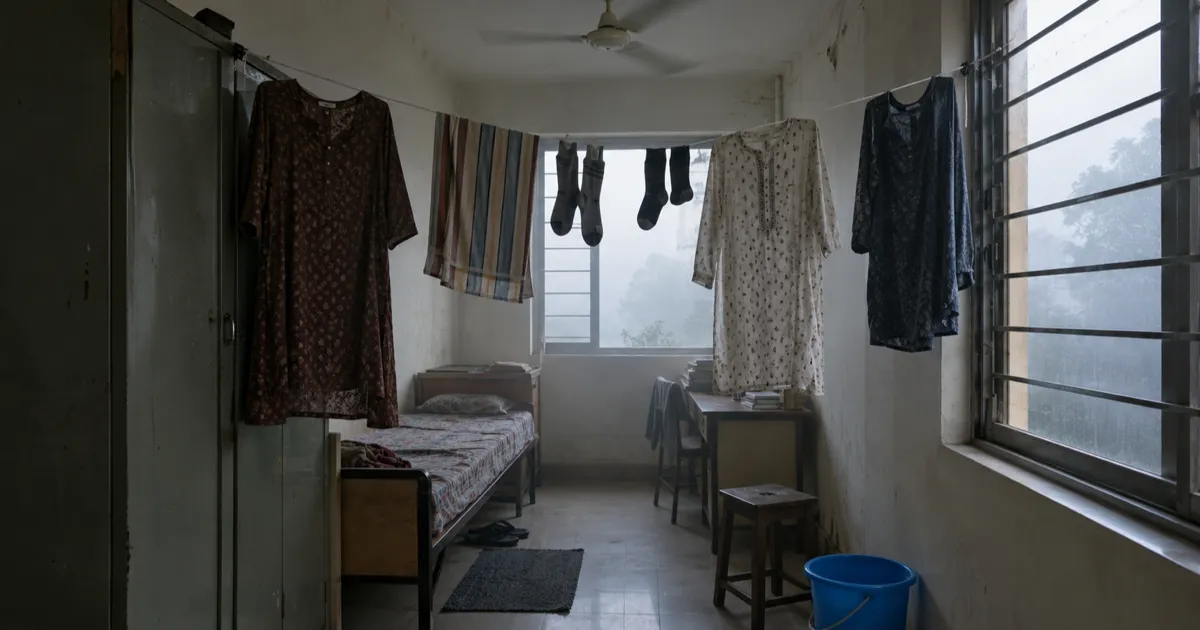
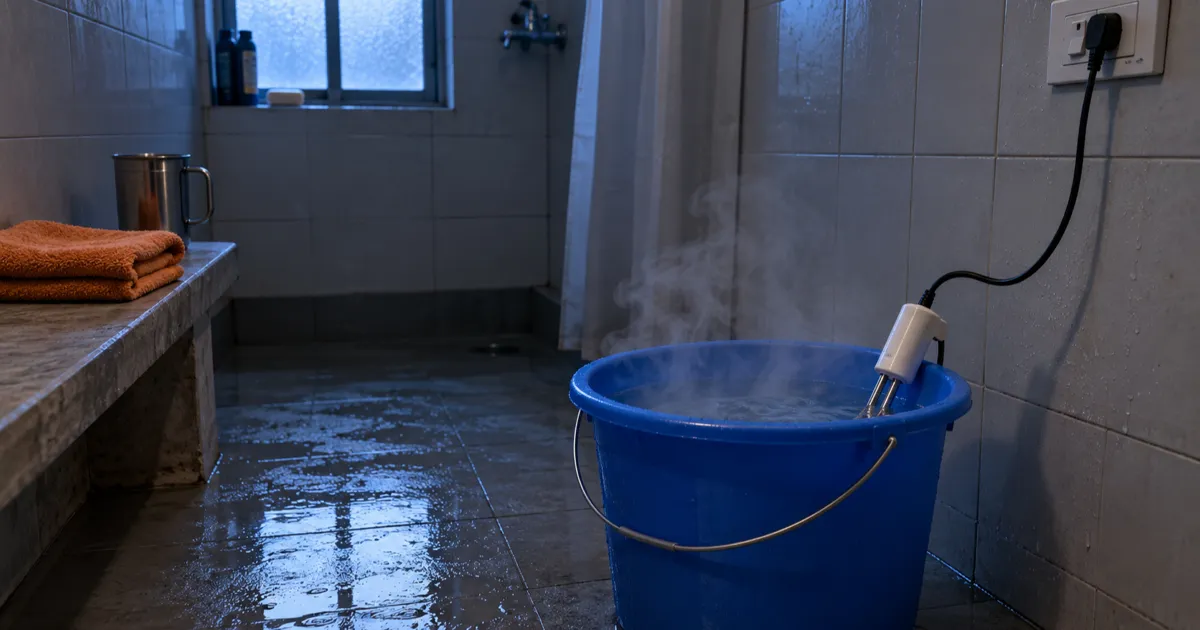
You can keep a hostel room noticeably cooler without AC by stopping sunlight from entering during the day and pushing hot air out at night. Add a cooler bed setup, fewer heat-producing gadgets and smart habits for your own body, and most hot nights become manageable. Many hostel rooms are small, shared and built with a concrete roof that soaks up heat all afternoon. You can't change the building, but you can change how heat gets in and how fast it leaves. These hostel summer tips are cheap, safe and work in most rooms, though what you're allowed to do depends on your hostel's rules.
If you're new to shared living, the bigger picture of routines, mess food and rules sits in our complete guide to hostel life in India.
Key Takeaways
- Block the sun during the day: close curtains and windows on the sunny side before the room heats up.
- Ventilate at night: open windows once it's cooler outside and use a fan facing outward to pull hot air out.
- Switch off chargers, laptops and lights you aren't using, since every device adds a little heat.
- Cool your body with water, cotton clothing and a cool shower before bed.
- Rules on coolers and extra appliances vary by hostel, so check with the warden before buying anything.
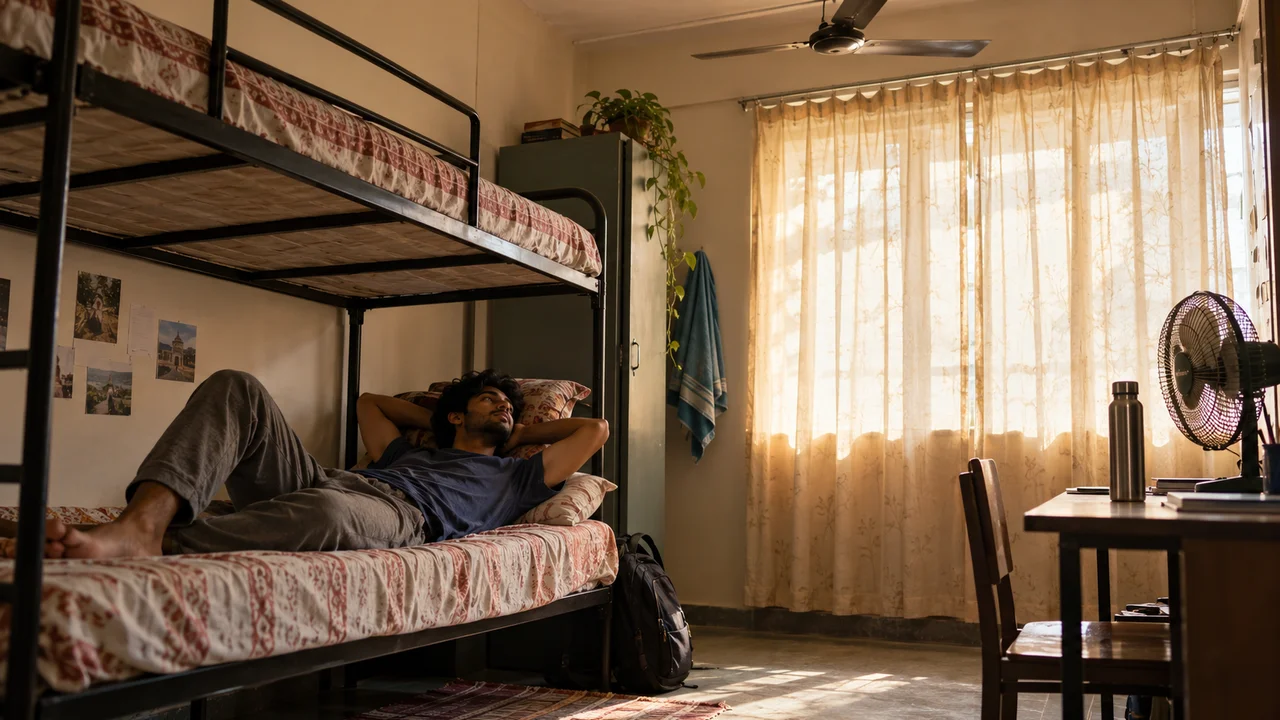
Before you start: check your room and the rules
Spend ten minutes learning how your room heats up before you change anything. Notice which window gets direct sun and when, whether you're on the top floor under the roof, and where air could flow in and out.
- What you'll need: curtains or a spare bedsheet, a table fan if allowed, a water bottle and cotton bedding.
- Rules to check: whether you can add a fan, run a cooler or stick film on windows. The same policy that decides whether an electric kettle is allowed in hostel rooms usually covers fans and coolers too.
- Roommates: agree on when windows open and close, since it affects everyone.
Step 1: Keep the sun out during the day
The cheapest cooling is heat that never enters the room. Sunlight through glass warms the floor, walls and bed, and they release that heat for hours after sunset.
- Close curtains on the sunny side before the sun hits the window, not after.
- Use light-coloured, thick cotton curtains. A pale bedsheet clipped over the window works as a stand-in.
- Keep windows shut during the hottest hours if the air outside is hotter than the room.
- Ask the warden before fixing reflective film or anything to the glass or walls.
You'll know this is working if the floor and walls feel less warm to the touch in the late afternoon.
Step 2: Move hot air out at night
Once it's cooler outside than inside, open up and push the warm air out. A fan by itself mostly stirs warm air around. Placing it to create a through-flow makes a bigger difference.
- Open the window and the door or ventilator on the opposite side, if your hostel allows the door open.
- Point a table fan out of the window so it pulls hot air out. Fresh air enters through the other opening.
- Keep the ceiling fan on to move air across your body.
- Close up again in the morning before the day heats up.
In dry heat, a damp cotton cloth hung in front of an open window cools the incoming air as water evaporates. In humid weather it barely helps, so skip it there. Always keep wet cloth away from switchboards and sockets.
Step 3: Cut heat sources inside the room
Every powered device adds some heat, and in a small room it adds up. This step costs nothing.
- Unplug phone and laptop chargers when they aren't charging.
- Don't run a laptop on your bed or pillow, where heat gets trapped.
- Switch off lights you aren't using and swap old bulbs for LED if the hostel lets you.
- Keep wet clothes out of the room on humid days, since drying laundry adds moisture.
Step 4: Set up a cooler bed
Your bed is where heat bothers you most, so make it breathe. Thick blankets and synthetic sheets trap warmth against your skin.
- Use thin cotton sheets and a cotton pillow cover. Pack heavy blankets away.
- Pull the mattress slightly away from a sun-facing wall, which stays warm late into the night.
- If you have a choice, the lower bunk is usually cooler, because warm air collects near the ceiling.
- Keep the space under and around the bed clear so air can move.
Step 5: Cool your body, not just the room
When the room won't cool down further, cool yourself. These habits help even on the worst nights.
- Drink water through the day and keep a full bottle by your bed.
- Wear loose, light-coloured cotton clothes.
- Take a cool shower or wash your face, arms and feet before sleeping.
- Keep a damp handkerchief for your neck and wrists.
- Eat lighter meals at night and go easy on tea and coffee late in the day.
Step 6: Use cooler spaces and better timing
Don't spend the hottest part of the day in the hottest room. Libraries, reading rooms and common areas are often cooler, especially on lower floors.
Plan focused study for early morning or late evening when your room is bearable. If you like an evening walk once the heat drops, check your hostel curfew rules first, since gate timings differ between hostels.
When a fan isn't enough: comparing your options
A table fan plus good habits handles most rooms, while a cooler suits dry, very hot cities. Here's how the usual options compare.
| Option | Works best in | Watch out for |
|---|---|---|
| Curtains and timing | Every room | Needs daily discipline |
| Table fan facing out | Rooms with two openings | Check the hostel allows extra fans |
| Damp cloth at window | Dry heat | Little effect in humid weather; keep away from sockets |
| Personal air cooler | Dry, hot climates | Needs permission, water refills and possibly extra electricity charges |
If your hostel allows one, our roundup of budget coolers for a hostel room covers what size and features make sense for a small shared space.
Common mistakes to avoid
The biggest mistake is opening windows in the afternoon to "let air in" when the air outside is hotter. It brings more heat into the room.
- Covering fans, lamps or extension boards with wet cloth. It's an electrical and fire risk. Keep water and wiring apart.
- Buying a cooler before asking. Some hostels ban them or charge for electricity. Ask first.
- Sleeping with heavy bedding out of habit. Switch to cotton as soon as nights get warm.
- Ignoring roommates. Agree on window and fan timings so one person isn't undoing another's effort.
When heat becomes a health problem
Heat can make you unwell, so don't push through warning signs. Dizziness, confusion, fainting, severe weakness, a strong headache or nausea in hot conditions mean you should stop and cool down.
Move to a cooler place, sip water, loosen your clothes and tell your warden or a friend. If you don't feel better quickly, or you get worse, get medical help without waiting.
Bottom line
Keep sunlight out by day, push hot air out by night, and cool your body directly. Those three habits do more than any single gadget. Start with curtains and fan placement tonight, talk to your roommates about timings, and ask the warden before adding any appliance.
You'll drink more water in a hot room, so Safe Drinking Water in Hostels: RO, Bottles and What to Check is worth reading before summer peaks. If you're new to PG life and sorting out paperwork, Address Proof When You Live in a PG: Bank, SIM and Aadhaar covers that.