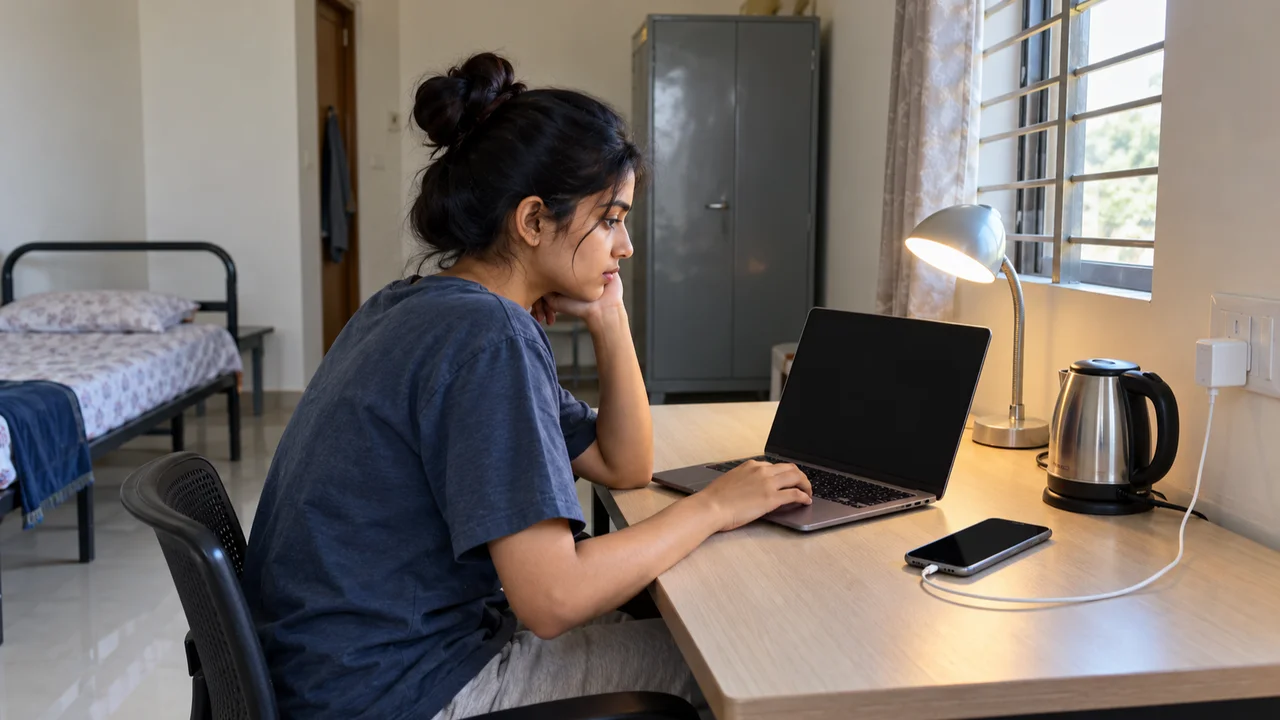
Most hostels allow everyday electronics like phone chargers, laptops and study lamps, but many restrict heating appliances such as electric kettles, irons, induction cooktops and immersion rods. Whether your kettle is allowed depends on your hostel's written rules, so check them or ask the warden before you pack one. This guide explains what wardens tend to ban, why they do it, and how to get a clear answer for your own room. If you're still preparing for your first semester, our guide to hostel life in India covers the bigger picture.
Rules differ a lot between college hostels, private hostels and PGs. Treat everything below as general guidance, not as your hostel's policy.
Key Takeaways
- Low-power electronics (chargers, laptops, LED lamps) are allowed almost everywhere.
- Heating and cooking appliances are the items wardens restrict most often, because of fire risk and wiring load.
- An electric kettle is a grey area: some hostels allow it, some allow it with conditions, and some ban it outright.
- Always check the written rules and get any exception approved in writing.
- If something is banned, use the mess, pantry or common-room facilities instead of hiding it.
Why Do Hostels Restrict Electrical Appliances?
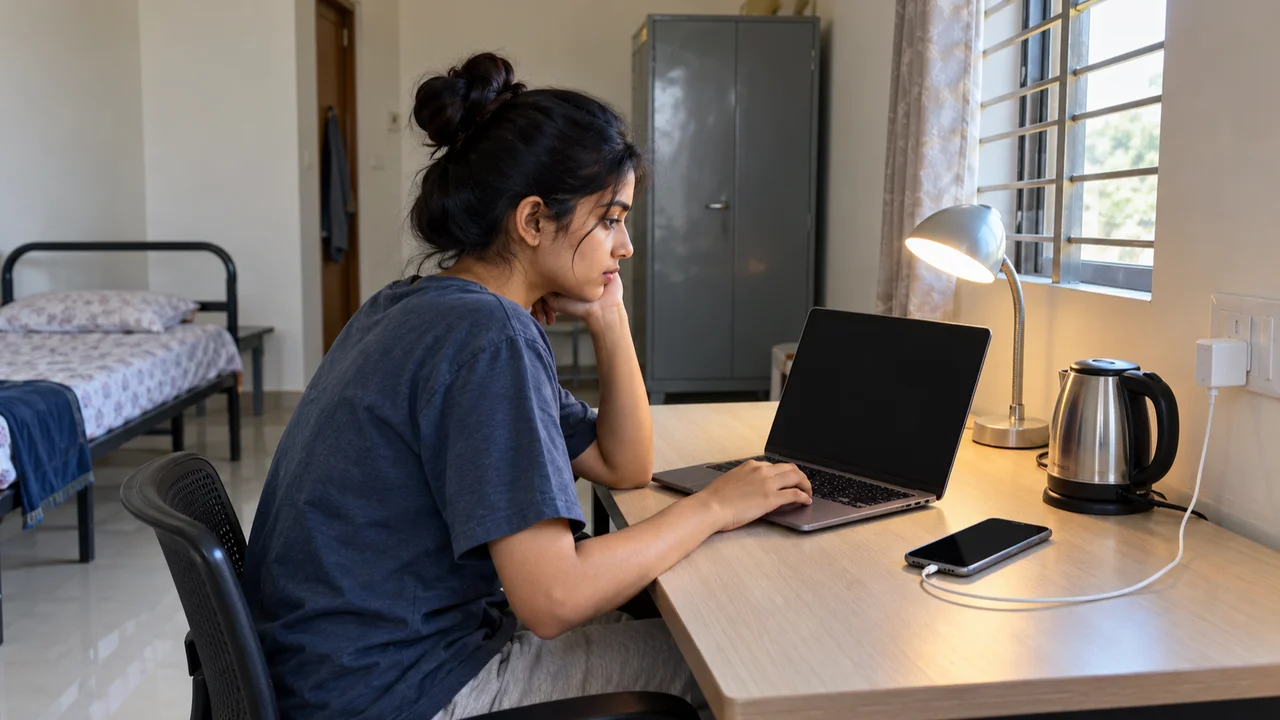
Hostels restrict appliances mainly to prevent fires and overloaded circuits. A single floor can house dozens of students sharing the same wiring, and one faulty heater or forgotten iron puts everyone at risk.
Heating appliances are the main concern. They pull far more power than a phone charger, get hot enough to scorch bedding or desks, and are easy to leave switched on when you rush to class. Older buildings often weren't wired for that kind of load, so a few students running heaters at once can trip the supply for a whole wing. If your hostel does permit one, our low-watt room heater picks show which models fit an 800W cap.
There are practical reasons too. When electricity is billed to the hostel as a whole, heavy personal use raises costs for everyone. Cooking in rooms also brings smells, pests and food waste that housekeeping then has to handle. And wardens are responsible if something goes wrong, so they tend to keep rules simple and strict.
Which Appliances Are Usually Allowed, Restricted or Banned?
Most hostels sort appliances into three rough groups based on how much heat and power they use. The table below reflects common practice, not any single hostel's rulebook.
| Appliance | Typical status | Why |
|---|---|---|
| Phone and laptop chargers | Usually allowed | Low power, essential for study |
| LED study lamp, table fan | Usually allowed | Low power, little heat |
| Hair dryer, trimmer | Often allowed | Short use; some hostels still restrict dryers |
| Electric kettle | Varies widely | Heats fast, but often unattended |
| Electric iron | Often restricted | High heat; some hostels provide a shared ironing spot |
| Mini fridge, air cooler | Often restricted | Continuous power draw; sometimes allowed for a fee |
| Induction cooktop, hot plate, sandwich maker | Commonly banned | Cooking in rooms, high load, fire risk |
| Immersion rod, room heater | Commonly banned | High heat, shock and fire risk |
Extension boards deserve a mention. Many hostels allow them but object to daisy-chaining one board into another, or plugging heavy appliances into cheap multi-plugs.
Is an Electric Kettle Allowed in a Hostel Room?
Sometimes. An electric kettle sits in the middle of most hostel rules: it's a heating appliance, but it's small, switches off on its own in most designs, and is used for a few minutes at a time.
You'll typically see one of three positions:
- Allowed: the hostel treats a kettle like any small appliance.
- Allowed with conditions: for example, only auto shut-off models, only with the warden's approval, or only in a pantry or common area.
- Banned: the rules list all heating devices, and kettles are included.
The catch is that many students don't use kettles just for tea. Cooking noodles or eggs in a kettle is the habit that gets kettles banned, because it leads to boil-overs, burnt elements and mess. If your hostel does allow one and you're choosing a model, our roundup of the best electric kettles for hostel students compares practical options.
How to Check Your Hostel's Appliance Rules Before You Pack
By the end of these steps, you'll know exactly what you can bring, instead of guessing and risking confiscation.
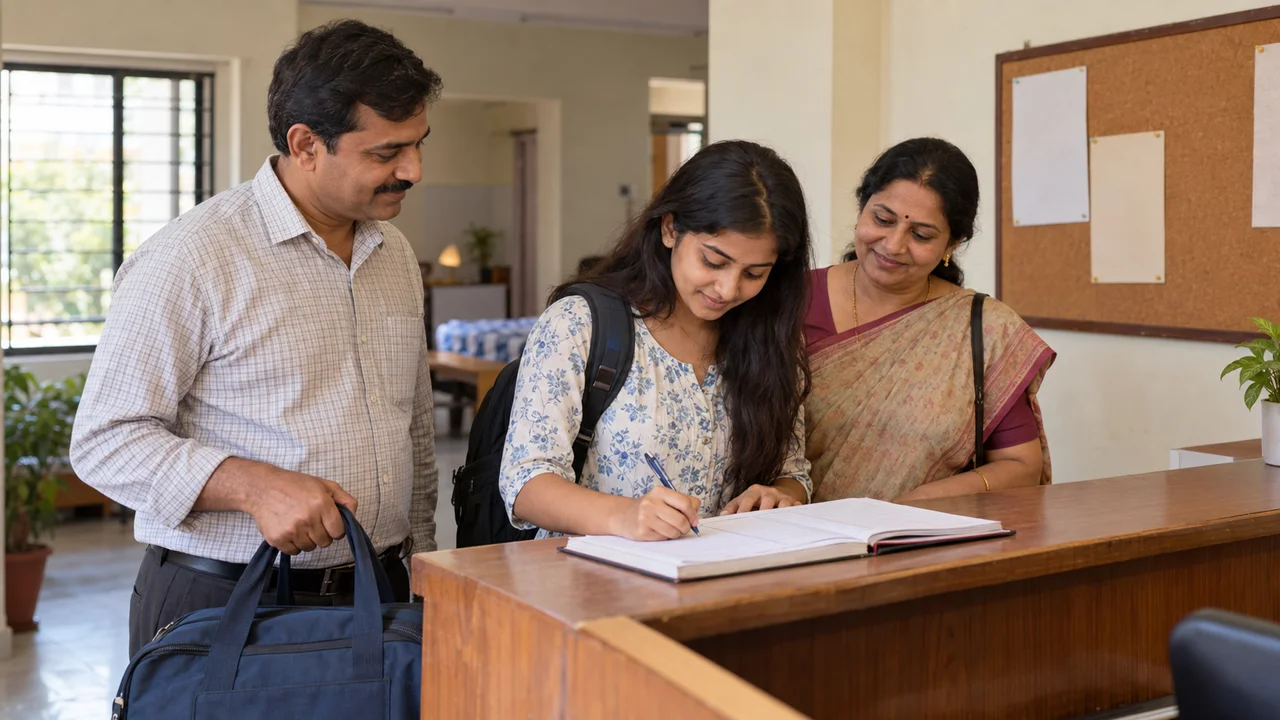
- Read the hostel rulebook or undertaking. Many hostels list banned items in the rules you sign at admission. Appliance rules usually sit alongside other policies such as hostel curfew rules and visitor timings.
- Check the notice board and official website. Updated rules often appear as notices before they reach the printed handbook.
- Ask seniors, but confirm with the office. Seniors know what's enforced in practice, but an unwritten "nobody checks" isn't permission.
- Look at the room itself. Count the sockets and note whether they're the smaller or larger type. Few sockets usually signal that heavy appliances weren't planned for.
- Ask what the hostel provides. If there's a pantry with a kettle or a shared ironing point, you may not need your own.
You've got a reliable answer when you can point to a written rule or a written reply from the warden.
How to Ask the Warden for Permission
A short, specific written request works better than a verbal ask in the corridor. It gives the warden something to approve and gives you proof later.
- Name the exact appliance and model, and mention safety features like auto shut-off.
- Explain why you need it, such as a medical diet, early classes before the mess opens, or a health condition. Attach a doctor's note if relevant.
- Say how you'll use it: for boiling water only, never left unattended, unplugged after use.
- Offer to pay any extra electricity charge if the hostel levies one.
- Keep the approval, by email or a signed note, somewhere you can show it during room checks.
Health-related requests tend to get a fairer hearing. If you're ever sick in hostel and need warm water or light food at odd hours, ask the warden or mess staff first; many hostels have an arrangement for unwell students.
Common Mistakes to Avoid
The biggest mistake is assuming that "everyone has one" means it's allowed. Room inspections can happen without notice, and confiscated appliances aren't always returned.
- Buying before checking. Students often pack appliances from home and discover the rule on day one. Check first, then buy.
- Cooking in a kettle. Even where kettles are allowed, cooking in them is a common reason hostels tighten rules. Use it for water only.
- Overloading sockets. Running several devices from one cheap multi-plug heats the wiring. Spread the load and unplug what you aren't using.
- Leaving heat sources on. Switch off and unplug irons, dryers and kettles before you leave the room, even for a few minutes.
- Hiding banned items. A hidden heater under a bed is more dangerous than one in plain sight, and the penalty is usually harsher if you're caught.
Safer Alternatives When an Appliance Is Banned
If your hostel bans an appliance, there's usually a shared or low-risk substitute. Use the mess, pantry or common room for hot water and snacks, and ask whether there's a shared iron or a laundry service.
A good insulated flask filled at the mess keeps water warm for hours. Instant foods that need only hot water pair well with it. For laundry, a local dhobi or the hostel's ironing service saves you buying an iron at all.
Bottom Line
Small electronics are fine almost everywhere, heating appliances are where hostel rules get strict, and the kettle question has no single answer. Read your rulebook, ask the warden in writing for anything unclear, and keep approvals handy. That way you avoid fines, confiscations and, more importantly, fire risks for the people living around you.
Two appliance questions come up most often, so if you were hoping to bring your own purifier, check Safe Drinking Water in Hostels: RO, Bottles and What to Check first, and if a cooler or extra fan isn't allowed, Beating the Heat in a Hostel Room Without AC has ways to stay cool within the rules.