If you fall sick in a hostel, first decide whether it's an emergency, then tell your roommate and the warden before you do anything else. After that, get checked by a doctor, keep up fluids and rest, and protect the people you share space with. Being unwell away from home feels lonely, especially in your first year, but a little preparation turns a scary night into a manageable one. This guide walks through each step, from the first symptoms to getting back to class.
Hostel rules on sick leave, mess food and visitors vary by hostel and college, so treat this as a general plan and check the specifics with your warden. For the wider picture of daily routines, money and safety, see our complete guide to hostel life in India.
Key Takeaways
- Check for danger signs first. Trouble breathing, chest pain, fainting or confusion means you call 112 and alert the warden at once.
- Always tell a roommate and the warden when you're unwell, even if it seems minor.
- See a qualified doctor and don't take antibiotics or someone else's prescription medicine on your own.
- Ask the mess about plain food, keep fluids up and keep some distance from roommates if you might be contagious.
- Get a medical certificate for missed classes and keep your family informed.
Before You Get Sick: Build a Kit and a Contact List
The best time to prepare is when you're well. A small kit and a saved list of numbers mean you won't be searching for help with a fever.
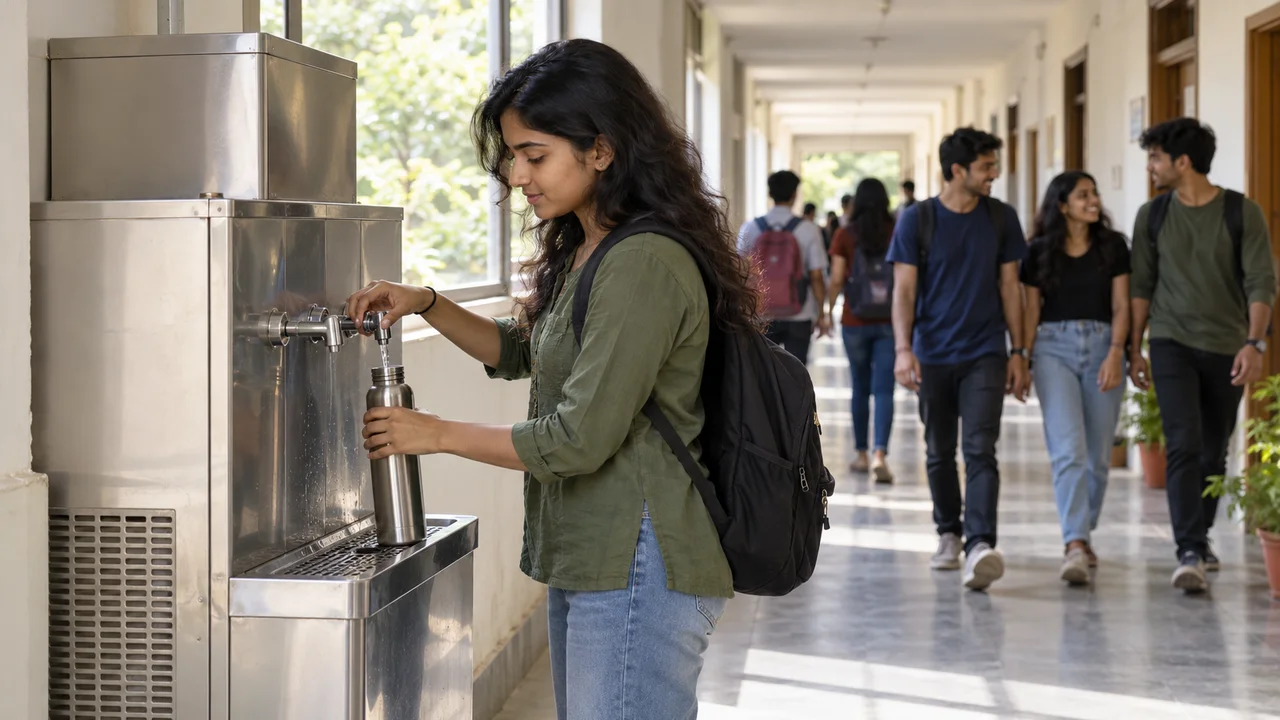
- Basic kit: a thermometer, ORS sachets, plasters, antiseptic, any regular medicines your own doctor has prescribed, and a refillable water bottle.
- Contacts saved on your phone: the warden or hostel manager, the campus health centre, a nearby clinic or hospital, two friends in the hostel, and a family member.
- Documents in one place: a copy of your ID, your health insurance card if you have one, and a note of any allergies or long-term conditions.
- Share key details: tell your roommate about allergies or conditions like asthma so they can help quickly.
Step 1: Decide Whether It's an Emergency
Your first job is to tell a true emergency apart from an illness you can manage with a doctor's visit. If you're unsure, treat it as an emergency. Calling for help that turns out to be unnecessary is far better than waiting too long.
| Call 112 and alert the warden now | See a doctor soon and rest |
|---|---|
| Trouble breathing or chest pain | Cold, cough or sore throat |
| Fainting, a seizure or sudden confusion | Mild fever that responds to rest and fluids |
| Heavy bleeding or a serious injury | Mild stomach upset |
| Swelling of the face or throat after food or a sting | Headache or body ache |
| Can't keep any fluids down, or very drowsy | Minor cuts or sprains |
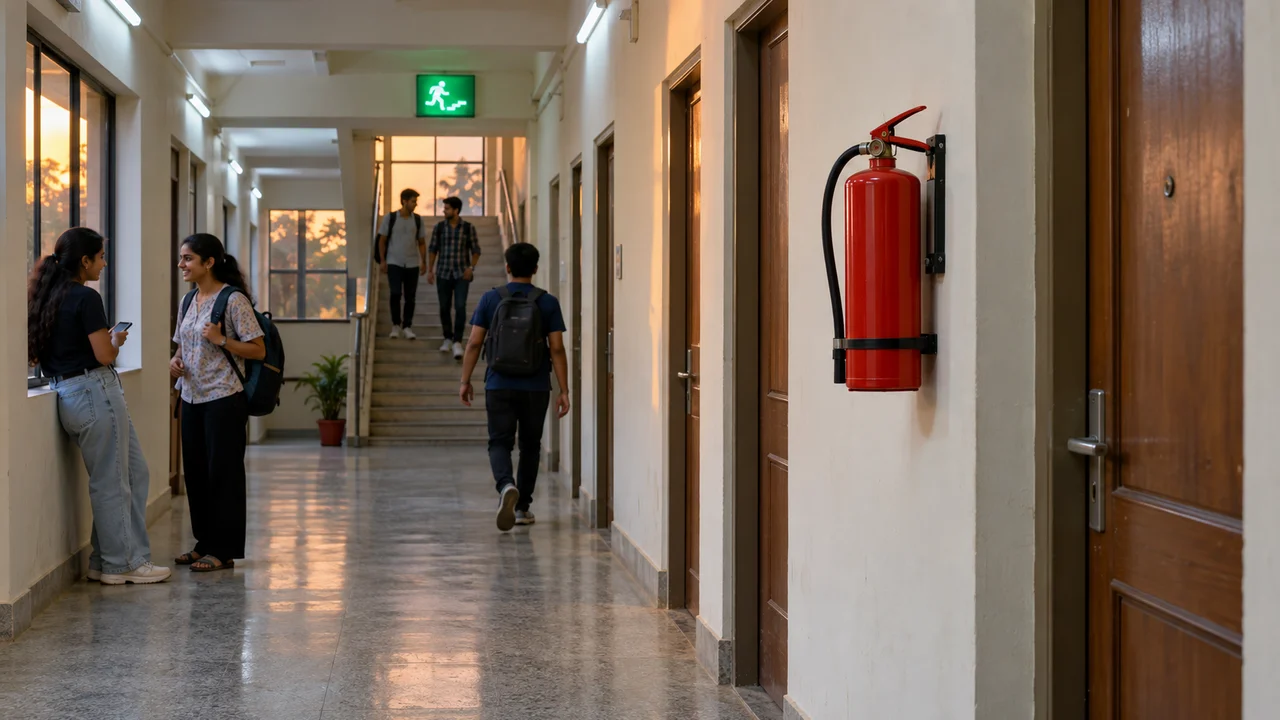
In India, 112 is the single emergency number under the Emergency Response Support System. Call it, then send a roommate to fetch the warden or security guard so someone can meet the ambulance at the gate.
Step 2: Tell Your Roommate and the Warden
Don't keep it to yourself. Once a roommate and the warden know you're unwell, someone can check on you, bring water and act fast if you get worse.
- Wake or message your roommate or a friend on the same floor.
- Call or message the warden with your name, room number and symptoms.
- Ask whether the hostel has a tie-up with a nearby clinic, an on-call doctor or a sick room.
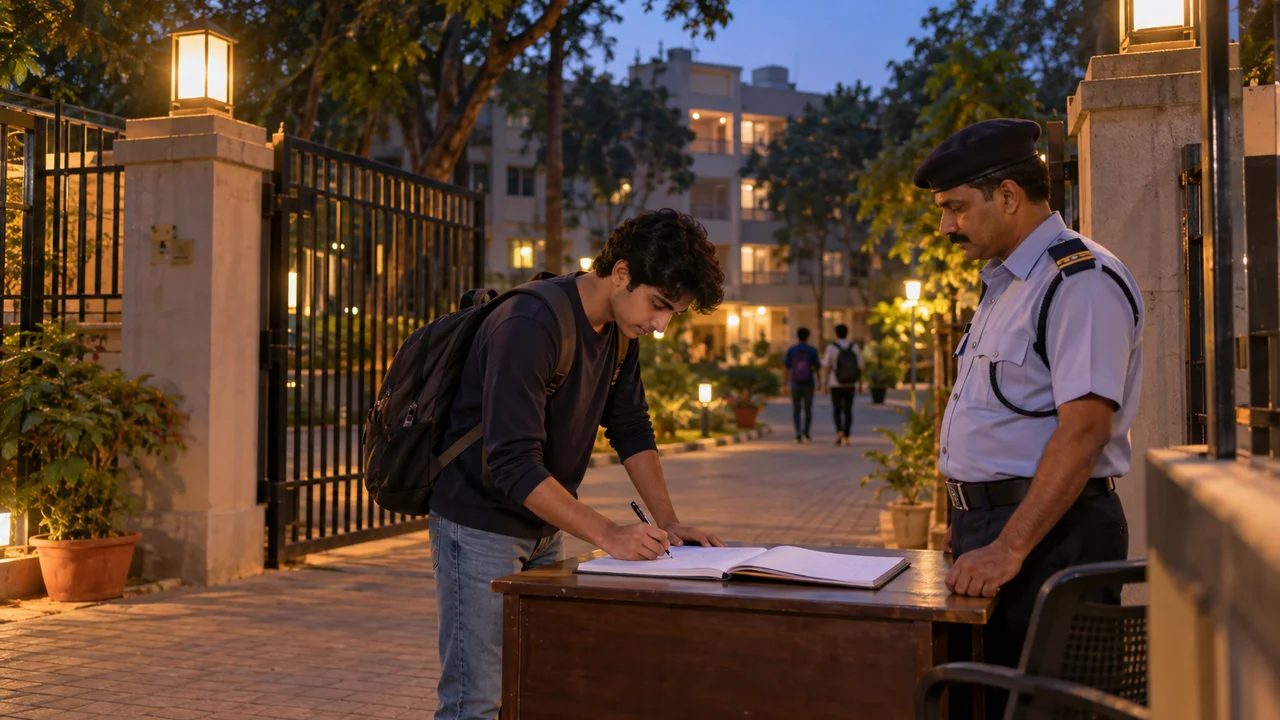
- If you need to leave the premises after curfew, get the warden's permission so security lets you out and back in.
You'll know this step worked when at least one person nearby has agreed to check on you every few hours.
Step 3: Get Checked by a Doctor
A proper diagnosis matters more than guessing from symptoms online. Start with the campus health centre if your college has one, since it's usually closest and may be free or low cost for students.
- Go with someone. A friend can carry your documents, handle payments and listen to the doctor's advice when you're foggy.
- Carry your ID, insurance card, a list of your symptoms and when they started, and any medicines you've already taken.
- If you can't travel and it isn't an emergency, a teleconsultation with a registered doctor can be a starting point.
- Don't take antibiotics without a prescription, and never borrow a friend's prescribed medicines.
Before you leave the clinic, make sure you understand the dose, timing and duration for every medicine, and ask when you should come back.
Step 4: Manage Food, Water and Rest
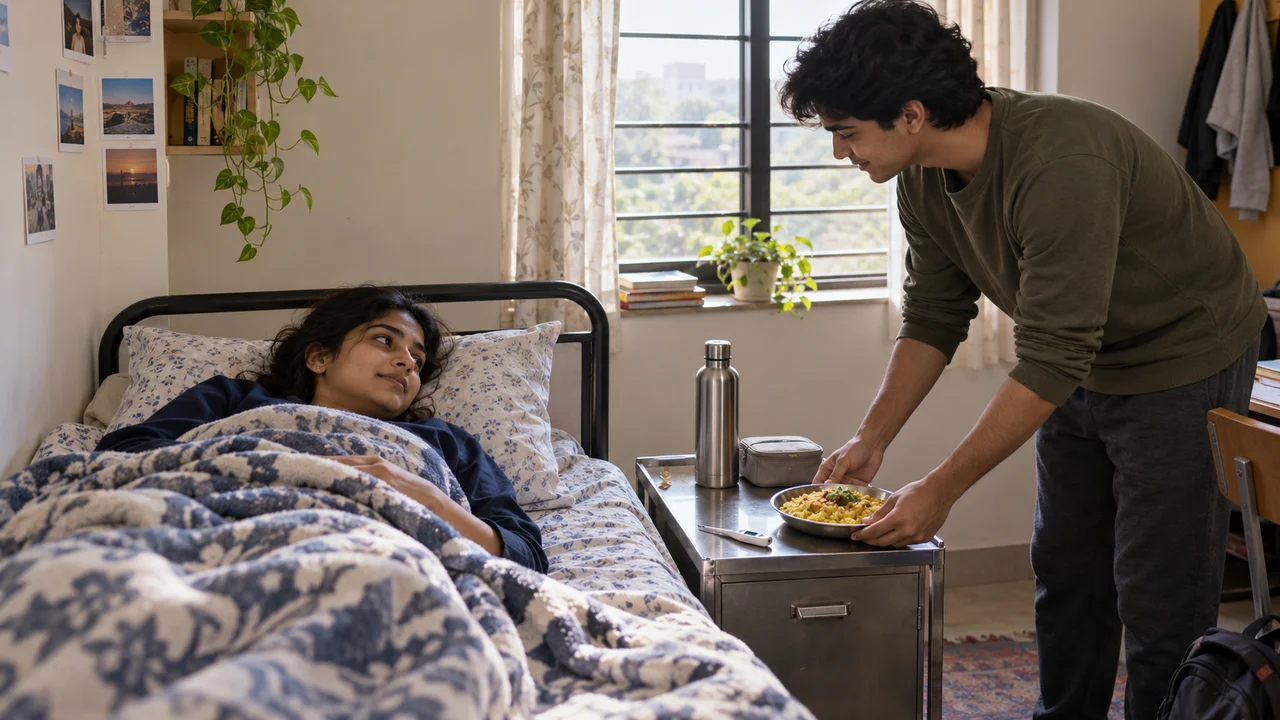
Recovery in a hostel mostly comes down to fluids, simple food and sleep. Mess food can be oily or spicy, so ask the mess in-charge whether they can make something plain like khichdi, dal-rice or curd rice while you're unwell.
- Ask a roommate to bring meals to your room if the hostel allows it. Some hostels don't permit food in rooms, so check first.
- Keep a filled water bottle and ORS by your bed.
- Use earplugs or an eye mask if the room stays noisy or bright late at night.
- Set phone reminders for medicine times so you don't miss doses.
Step 5: Protect Your Roommates and Your Room
If your illness might be contagious, a few habits keep it from spreading through the floor. Ask the warden whether a sick room or a temporary single room is available.
- Wash your hands often and cover coughs and sneezes.
- Wear a mask around others if you have a cough or cold.
- Don't share bottles, plates, towels or bedding.
- Open a window for fresh air where it's safe to do so.
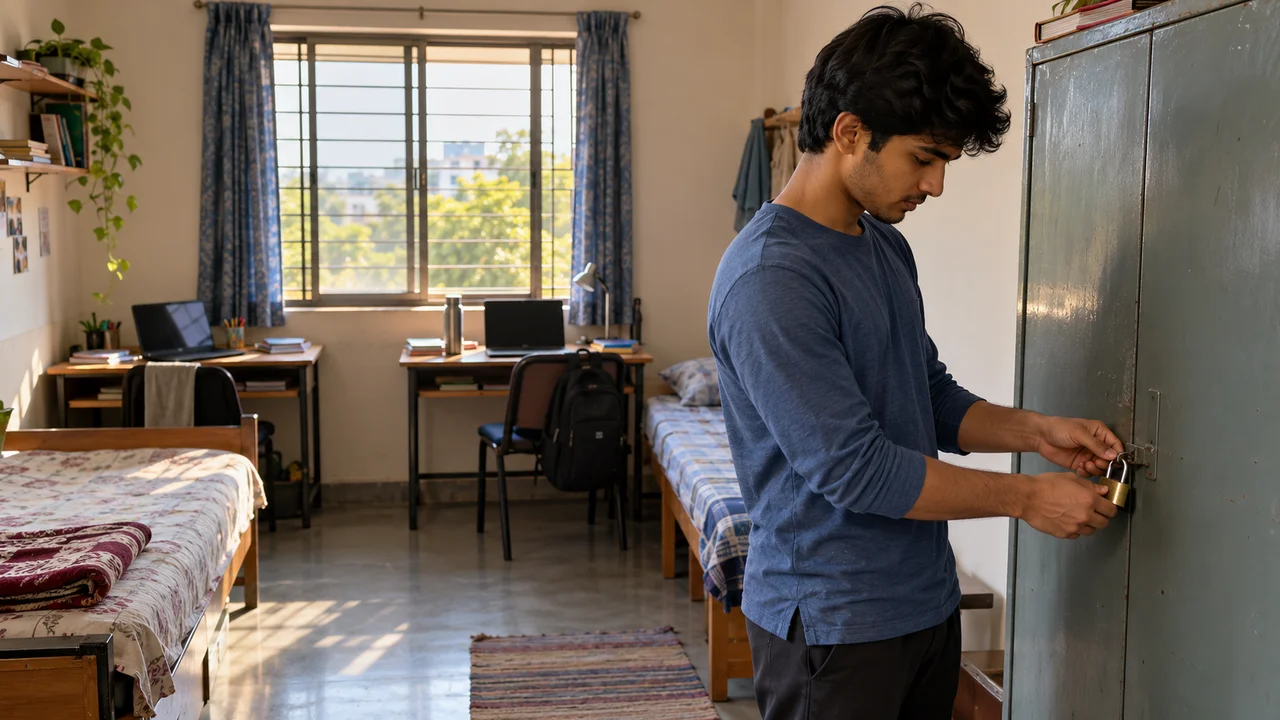
If you go to hospital or home to recover, lock away your laptop, phone charger, cash and documents first. Rooms left empty for days are easy targets, and these tips on avoiding theft in hostel rooms are worth a read before you leave.
Step 6: Handle Classes, Attendance and Family
Once you're stable, sort out the paperwork so your illness doesn't turn into an attendance problem. Most colleges accept a medical certificate to excuse missed classes or tests, but the format and deadline differ by institution.
- Ask the doctor for a medical certificate or note during your visit.
- Email your class coordinator or department with the dates you'll miss.
- Ask a classmate to share notes and assignment updates.
- Call your family and give them an honest update.
If a parent wants to come and look after you, check the hostel visitor rules first. Many hostels limit visiting hours or overnight stays, and the warden may make an exception for illness if you ask early.
Common Mistakes to Avoid
The most common mistake is waiting it out alone. Students often don't want to bother anyone, but a fever at night is much harder to handle when nobody knows.
- Self-medicating with leftover pills. Old or borrowed medicines may be wrong for your illness. See a doctor instead.
- Skipping meals because the mess food feels heavy. Ask for plain food or have a friend bring something simple.
- Going back to class too early. You may relapse or pass the illness on. Follow the doctor's advice on rest.
- Not keeping receipts and prescriptions. You'll need them for insurance claims and medical leave.
Bottom Line
Being sick in a hostel is manageable when you act early: check for danger signs, tell people around you, see a doctor and rest properly. Set up your kit and contact list this week, while you're feeling well, so you're ready if a fever arrives at midnight.
Before you pack a kettle for hot water or soup on sick days, check which appliances wardens allow in a hostel and which they ban, and since late-night clinic trips run into gate rules, it helps to know how hostel curfew and gate timings work.