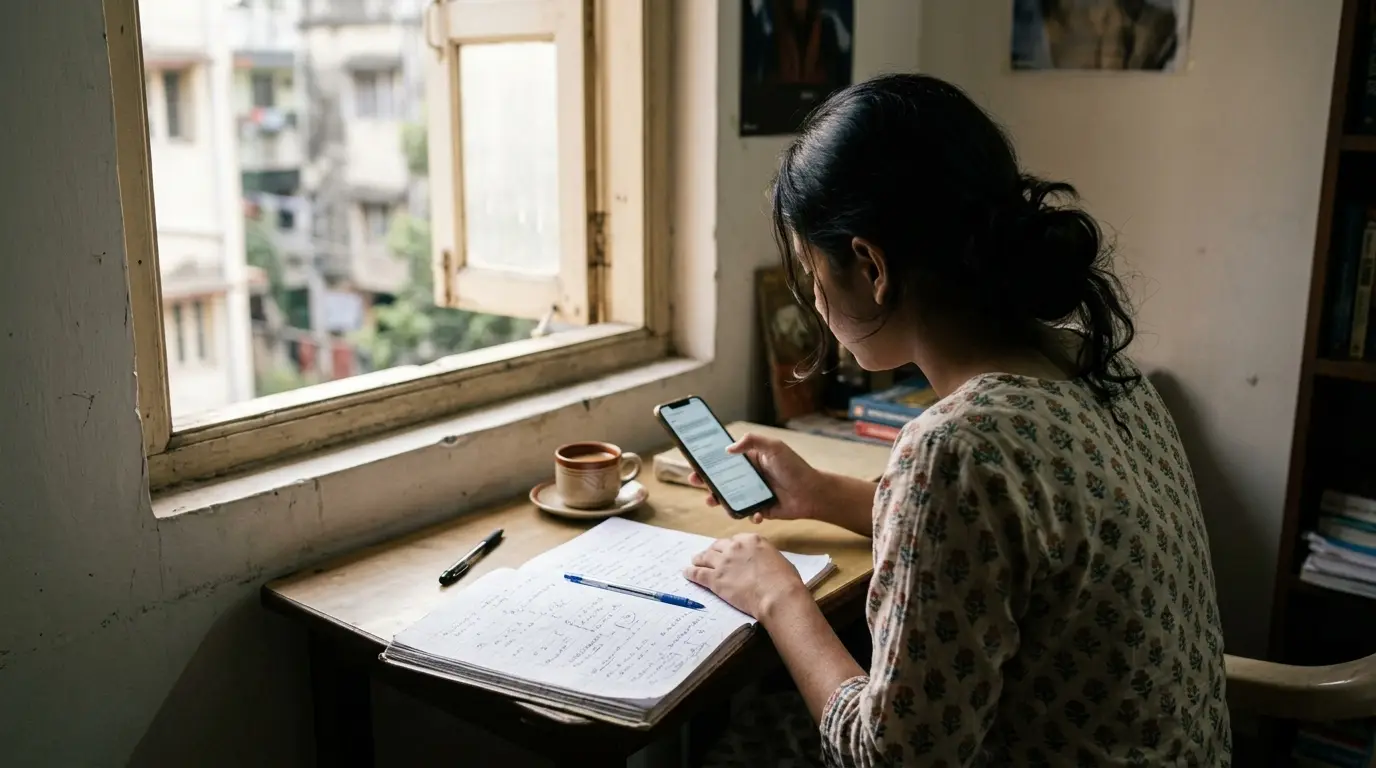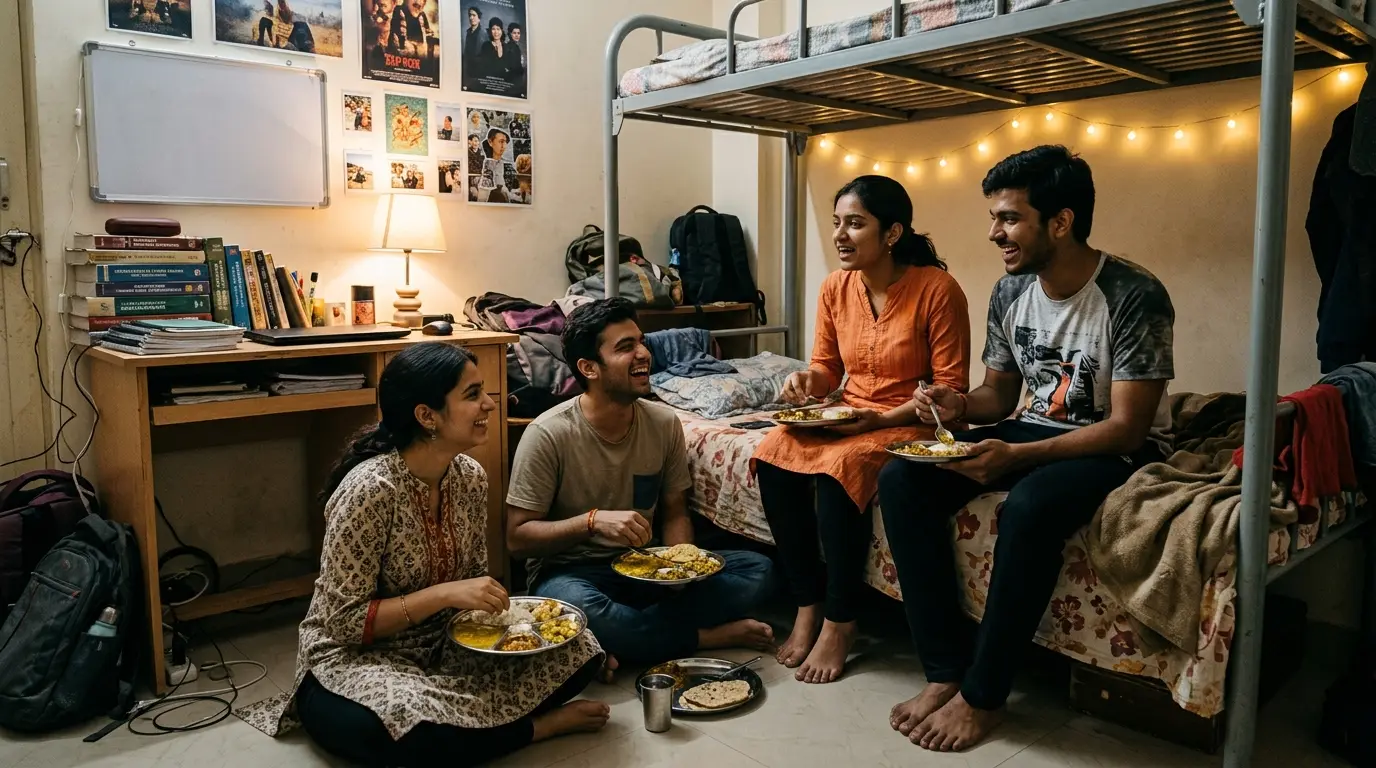
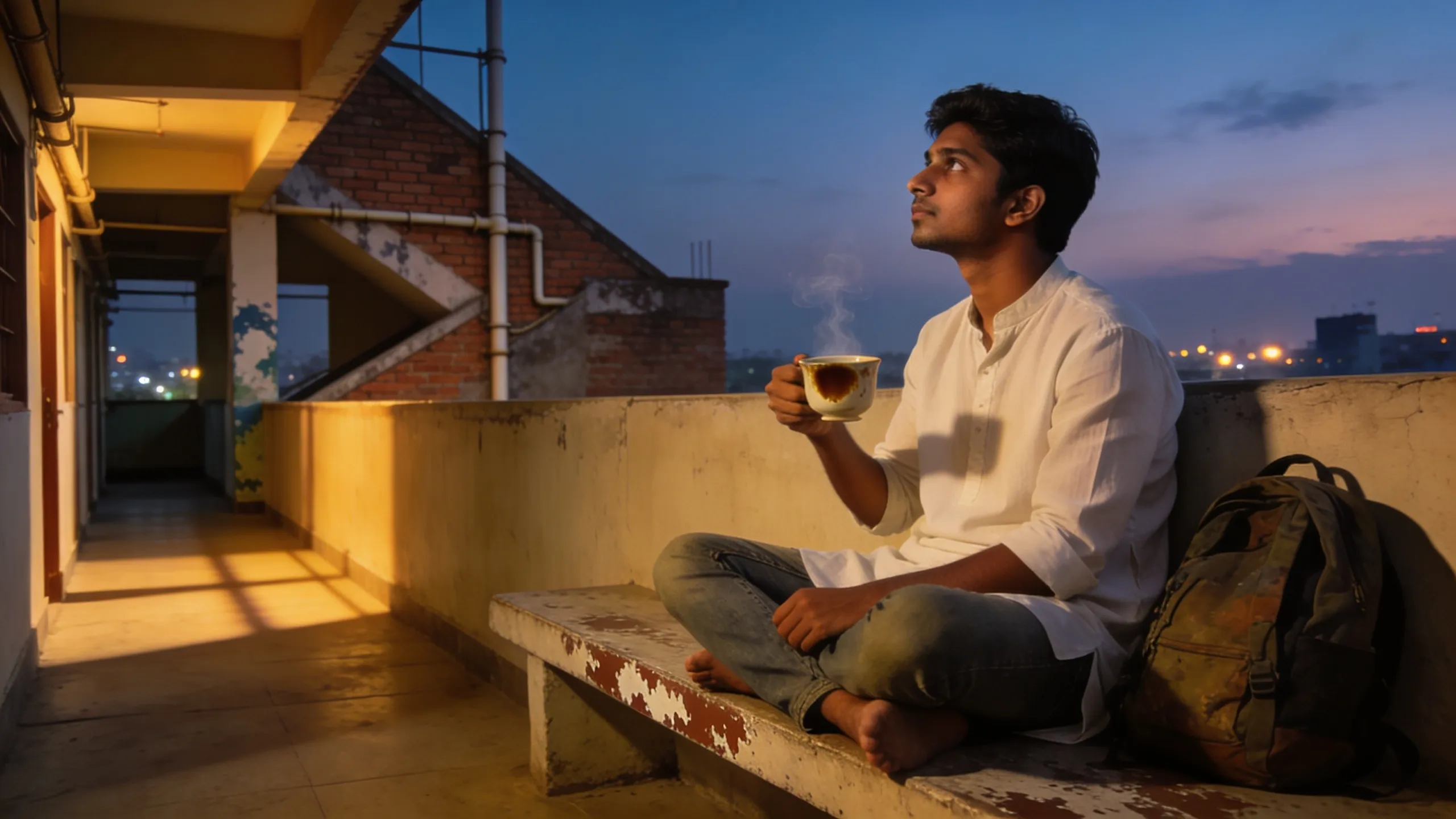
Sunday, 7:45 PM. The corridor is quiet, your roommates are either out or on calls, and you are scrolling for no reason. You are not crying for home anymore. You know where the mess is, where to buy detergent, and how to get to class. Still, you feel cut off.
If you searched loneliness in hostel how to cope students, this guide is for this exact phase. Not the first-week panic. Not the new-city shock. This is the slower loneliness that shows up later, when life looks normal from outside.
You are not weak. You are not bad at hostel life. For many students, especially in India, this is a common adjustment curve. Start with one small step now: read these practical homesickness and adjustment differences and pick one action for tonight.
Loneliness and homesickness are not the same
Many students mix these up and try the wrong fix.
Homesickness is mostly about missing familiar people, routines, and spaces from home. It is often strongest in the first few weeks.
Loneliness, especially in hostels and PGs, can continue even after you adjust to city life. You may know your routine, attend classes, and chat casually, but still feel emotionally disconnected.
Homesickness says, “I miss home.” Loneliness says, “I feel unseen where I am now.”
This distinction matters because solutions differ:
- Homesickness often improves with time, familiarity, and family connection.
- Loneliness usually needs intentional local connection, structure, and emotional support.
If you keep treating loneliness like early homesickness, you may stay stuck for months.
Why feeling lonely in hostel India hits harder than expected
In many Indian homes, life is naturally social. Even if your family is not very expressive, you still hear people around you all day: parents talking, neighbors dropping in, TV in the background, and someone asking if you ate.
Then hostel or PG life can feel silent in a strange way.
- No one checks whether you had dinner.
- Weekends are unstructured.
- Festival days become emotional trigger points.
- People around you may already have fixed circles.
This shift is real. You move from a collectivist rhythm to a highly individual one.
Arjun felt this in his Bangalore PG during his first Diwali away from home. He had survived the first month fine. On Diwali evening, half the building had gone home, mess dinner was basic, and he spent four hours in his room watching celebration stories. That night, he realized he was not just homesick. He was lonely in his current routine.
If you are living in that city, explore social neighborhoods before shifting. Start with student-friendly hostels in Bangalore and check options such as PGs in Koramangala for students. If you are in Jaipur instead, start with hostels and PGs in Mansarovar or Jagatpura, the two areas with the most student housing in the city.
Another reason this hits hard is guilt. You may think, “My parents are paying so much. I should just manage.” So you hide it, perform fine, and isolate more.
Also, loneliness is not always dramatic. It is often quiet: missed meals, poor sleep, avoiding common spaces, and low interest in things you usually enjoy.
Loneliness in hostel how to cope students: 10 practical tips
If you are wondering alone in hostel what to do, start small. Do not aim for a complete personality change. Aim for repeatable micro-actions.
1) Start with low-effort social exposure
Do not force deep friendships immediately. Increase familiar faces first.
- Sit in the common room for 20 minutes daily.
- Fix one consistent mess timing where you see the same people.
- Ask one low-pressure question a day: class timings, laundry token, canteen queue, or notes.
Repetition reduces social anxiety because familiarity builds comfort.
2) Join or start a small study group
Loneliness drops when connection is activity-based. Study groups help because conversation has a purpose.
- Keep it tiny: 2-4 people.
- Meet 3 times a week for 45-60 minutes.
- Start each session with one clear goal.
If finding friends feels hard, use this guide to making friends in hostel as an introvert.
3) Find your third place outside room and classroom
Your room can become an overthinking zone. You need one regular place where you feel lightly connected without pressure.
Good third places in Indian student areas:
- a chai stall near college
- a library corner
- a park walking loop
- a quiet canteen bench at a fixed time
Visit the same place regularly. Belonging usually starts with familiarity, not instant bonding.
4) Schedule calls home without emotional overdependence
Calls home help. Five to six long calls daily can slow local adjustment.
Try this balance:
- one fixed meaningful weekday call (15-25 minutes)
- longer weekend calls
- honest sharing plus one local action you took that day
The goal is connection plus growth.
5) Add physical movement, even if tiny
Mood and body are tightly linked.
- a 20-minute walk after dinner
- three rounds of stairs
- badminton in the campus court
- simple stretching in your room
When thoughts are heavy, movement resets your nervous system. This remains one of the most practical hostel loneliness tips.
6) Join one club, committee, or volunteer activity
You do not need to become ultra-social. Pick one weekly structure.
- cultural committee
- NSS or NCC chapter
- college fest logistics
- teaching volunteer group
Purpose-based groups reduce awkwardness because you are doing something together.
7) Initiate one small plan every week
Many students wait to be invited. Most people are waiting.
Set a rule: say yes to one thing per week or initiate one thing.
- “Tea after class?”
- “Mess together today?”
- “Library slot at 6?”
Small invitations build trust over time.
8) Use shared routines to build belonging
Community does not happen automatically in shared living. It needs small agreements.
- shared meal once or twice a week
- common-room match screening
- simple cleaning rota for the room
Use this hostel etiquette guide for smoother shared living if roommate friction is adding to isolation.
Food can also become a connection ritual. If food stress is isolating you, try these ideas from the hostel food survival guide.
9) Build a Sunday anti-loneliness plan
Sunday emptiness is real in hostels and PGs. Plan it before Sunday starts.
Use this three-part structure:
- Morning task: laundry, room reset, budget review.
- Afternoon anchor: outside third place for 60-90 minutes.
- Evening connection: one family call plus one local social action.
Unplanned Sundays often become isolation loops.
10) Ask for professional support early
If loneliness is persistent or worsening, speaking to a counselor is a strong step.
Megha, a first-year student in Delhi, noticed warning signs during exams: skipped dinners, late sleep, and social withdrawal. She started fixed dinner check-ins and weekly counselor sessions. Her concentration improved in three weeks.
If you are studying there, shortlist safer options near your routine. Compare hostels in Delhi by locality and review options like PG near Delhi Metro access.
Faizan, living in a Pune PG during internship season, stopped attending meals and slept badly after repeated rejection emails. A friend pushed him to seek counseling. He got a plan for sleep reset, social check-ins, and thought management. Within a month, he felt functional again.
For that transition phase, compare Pune hostel options for students and practical listings like hostels near Hinjewadi IT park.
If this section helped, take a medium next step now: bookmark this page and compare your current setup with this PG selection checklist for students.
When loneliness may need professional support
Loneliness is common, but sometimes it overlaps with depression or severe anxiety. Do not self-diagnose, and do not ignore warning signs.
Please seek professional help quickly if you notice:
- low mood most days for 2+ weeks
- loss of interest in almost everything
- major sleep and appetite disruption
- persistent hopelessness or guilt
- inability to function in class or work
- thoughts of self-harm or feeling life is not worth living
If self-harm thoughts appear, treat it as urgent. Reach out immediately to a trusted person, counselor, or helpline. You deserve support now.
Helplines in India you can contact today
If things feel too heavy, do not wait till breaking point. These services are available in India:
- iCall (TISS): `+91 9152987821`
Website: https://icallhelpline.org/
- Vandrevala Foundation Mental Health Helpline: `9999666555` and `1860 266 2345`
Website: https://www.vandrevalafoundation.com/
- Tele-MANAS (Govt. of India): `14416` or `1-800-891-4416`
Website: https://telemanas.mohfw.gov.in/
Numbers and availability can change, so verify on official websites if a line is unreachable.
Start small this week, not perfectly
If you remember one thing, remember this: loneliness in hostel how to cope students is not a one-day fix, but it is manageable with routine and support. Pick three actions for the next seven days: one social, one routine, and one mental-health step.
You deserve a life here that feels lived, not just managed. Ready for a healthier environment and better daily support? Browse hostels and PGs on Hostel360 for direct owner contact and ₹0 brokerage.