

If you search hostel red flags warning signs India, you are already asking the right question. Most bad hostel experiences do not begin with one dramatic incident. They begin with small warning signs people ignore because rent is lower, location is convenient, or the owner says, “Bas adjust kar lo.”
Students and parents usually focus on photos, rent, and distance from college. But the real deal-breakers are behaviour, paperwork, and safety systems. A clean-looking room can still become a daily headache if the owner avoids paperwork, switches your room after payment, or refuses receipts.
Rohan, a second-year student in Kota, paid a ₹5,000 token advance on a Sunday evening because the owner said, “Last room left.” On move-in day, he was given a different room with five beds, a broken fan, and no window. Since the token was paid in cash and there was no written agreement, he had little leverage.
This guide covers 10 signs of bad hostel and bad PG warning signs that should make you pause or walk away before paying.
Not Every Problem Is a Red Flag: Imperfect vs Dangerous
Every hostel or PG has minor issues. Maybe food is average. Maybe one lift is slow. Maybe cupboards are small. Those are imperfect conditions, not always danger.
But some issues are not “adjustment.” They signal risk to money, safety, and mental peace. If the owner hides documents, avoids receipts, or gets aggressive when you ask basic questions, it is a pattern, not a one-off.
Use this hostel red flags warning signs India test:
- Imperfect = Inconvenient but fixable, and owner responds clearly.
- Dangerous = Repeated avoidance, no written proof, safety gaps, or intimidation.
Before shortlisting, read this practical hostel safety tips for students checklist and carry it during visits.
10 Hostel Red Flags Warning Signs India Students Miss
1) Owner refuses to show you the rental agreement before payment
If someone asks for token advance, deposit, or one month rent before showing terms in writing, stop there.
In many cities, this is the first step in a pressure script: “Pay now, paperwork later.” Later, you discover hidden deductions, strict lock-in, non-refundable clauses, or “maintenance charges” never discussed earlier.
Why this is dangerous:
- You pay without knowing notice period, refund terms, and rule changes.
- Verbal promises are easy to deny.
What to do immediately:
- Ask for a written agreement draft on WhatsApp or email before payment.
- Confirm: deposit amount, refund timeline, notice period, deductions, and guests/curfew rules.
- If they still refuse, walk away.
2) No proper receipts for deposit or rent
“Cash de do, receipt ki kya zarurat hai” is one of the biggest PG red flags India students ignore.
Without receipts, deposit disputes become your word against theirs. Even honest owners can “forget” details months later.
Why this is dangerous:
- You cannot prove exact amount paid.
- Refund and overcharge complaints become weak.
What to do immediately:
- Pay through bank transfer/UPI where possible.
- Take written acknowledgment for every payment with date and purpose (rent/deposit/electricity).
- If cash is unavoidable, insist on signed receipt with stamp/contact number.
3) Current residents avoid eye contact or look uncomfortable during your visit
Rooms and walls can be painted overnight. Resident behaviour is harder to fake.
If current residents look tense, avoid speaking, or give one-word answers while staff hover nearby, pay attention. It can signal unresolved issues, strict control, harassment, or fear of retaliation.
Why this is dangerous:
- You are seeing social reality in real time.
- Bad management culture usually affects everyone, not just one resident.
What to do immediately:
- Ask to speak to 2-3 residents privately (corridor/outside gate).
- Ask specific questions: water timings, food consistency, deposit refunds, staff behaviour.
- If private conversation is blocked, mark it as a serious warning.
4) The room you’re shown is not the room you’ll get
This is classic bait-and-switch. You are shown a corner room with better ventilation, fewer occupants, and cleaner washroom access. Move-in day gives you a crowded back room.
A first-year student, Aniket, in Pune saw a 2-sharing room during visit. At move-in, he was shifted to 4-sharing “temporarily” for two weeks. It stayed that way for four months.
Why this is dangerous:
- Occupancy, comfort, and hygiene become very different from promise.
- “Temporary” often becomes permanent.
What to do immediately:
- Get room number/bed number written in agreement or booking confirmation.
- Take a photo/video of the promised room and send it on WhatsApp to owner: “Confirm this is allocated to me.”
- Add occupancy cap in writing (example: max 2 sharing).
If you are comparing options in that market, review current hostels in Pune to benchmark occupancy and pricing.
5) No fire safety equipment or emergency exits
This is not optional. If there are no visible extinguishers, smoke alarms, emergency exit markings, or a clear evacuation route, walk away.
In dense PG clusters, one electrical short can turn into a serious emergency within minutes.
Why this is dangerous:
- Fire incidents leave no time for negotiation.
- Locked grills and blocked exits are life-threatening.
What to do immediately:
- Check floor-wise extinguisher presence and expiry labels.
- Ask where emergency exit is and physically see it.
- If staff says “Never needed,” treat that as a red flag, not reassurance.
6) Bathroom-to-resident ratio is absurd (1:15 or worse)
Many students underestimate this. A poor bathroom ratio means daily delays, hygiene issues, conflicts, and water stress.
For shared setups, 1:15 is a warning sign. Morning queues before class, no cleaning turnaround, and limited water supply become routine.
Why this is dangerous:
- Direct impact on health, schedule, and stress.
- Hygiene collapses quickly in high occupancy.
What to do immediately:
- Count active bathrooms on the floor yourself.
- Ask residents peak-hour waiting time.
- Ask cleaning frequency and who monitors it.
7) WiFi “available” but speeds are unusable
“WiFi included” means nothing without speed and stability. For students attending classes, coding interviews, or content uploads, poor internet is not a minor inconvenience.
Why this is dangerous:
- Academic performance and job prep suffer.
- You may pay extra for mobile data anyway.
What to do immediately:
- Run a speed test from the actual room, not reception area.
- Check evening speed between 7 pm and 11 pm (peak load).
- Ask if backup internet exists during outages.
Practical baseline: video class quality usually needs stable speed, not just peak speed screenshots.
8) Food quality during trial differs from regular days
One polished trial meal can hide a weak daily mess system.
A student named Neha in Bangalore took a trial lunch with paneer and fresh chapati. After moving in, dinner was frequently delayed, portions were cut, and weekend food quality dropped sharply.
Why this is dangerous:
- Nutrition and routine affect your entire semester.
- Repeated poor food quality adds hidden cost through outside ordering.
What to do immediately:
- Visit at least twice across different days (weekday + weekend).
- Ask residents about menu consistency and portion size.
- Confirm meal timings and cut-off rules in writing.
For area-specific examples, check this Koramangala hostel listing and compare meal timings with what owners promise.
9) Owner gets defensive or aggressive when asked basic questions
If simple questions about deposit, curfew, visitors, or electricity trigger anger, assume future conflict will be worse.
Students often ignore this because they think “owner is strict but okay.” Strict is fine. Hostile and evasive is not.
Why this is dangerous:
- Complaint resolution becomes painful.
- You may face intimidation during refund or exit.
What to do immediately:
- Ask all major questions before payment, not after.
- Keep all communication in writing.
- If tone turns abusive, end discussion politely and leave.
10) No women on staff in a girls’ hostel/PG
In a girls’ hostel or PG, having zero female staff support is a serious operational and safety concern, especially for late-night incidents, health emergencies, or harassment complaints. If you are still shortlisting, girls hostels and PGs in Pratap Nagar, Jaipur are one of the larger clusters to compare, and this is a question worth asking at every one of them.
Why this is dangerous:
- No trusted escalation path for women residents.
- Safety complaints may be dismissed or delayed.
What to do immediately:
- Ask who handles night shifts and grievance escalation.
- Ask for female warden/caretaker contact and response protocol.
- Cross-check with this girls hostel safety checklist.
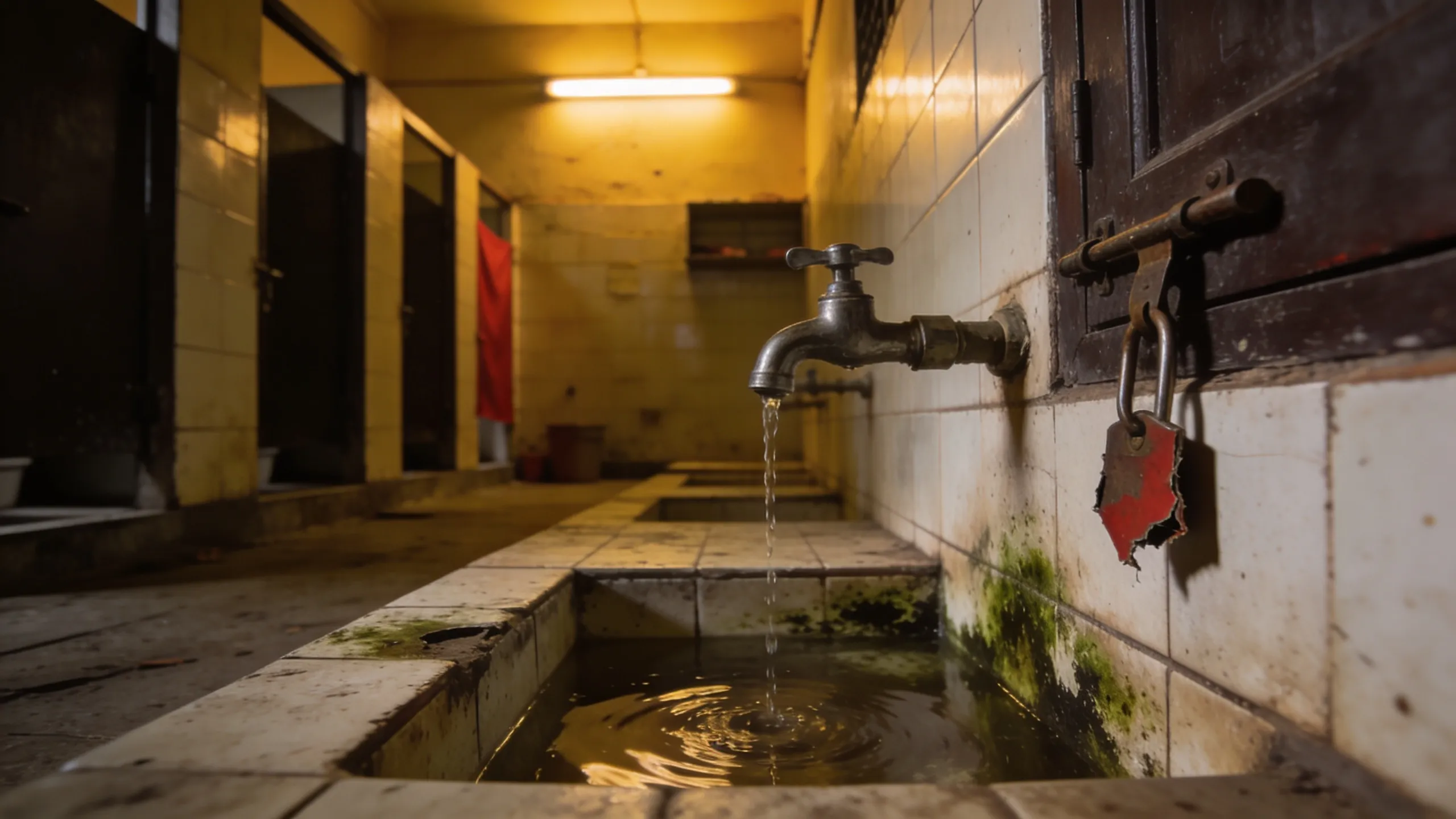
How to Spot Hostel Red Flags Warning Signs India During Visits
Timing matters. Visit once in daytime for structure check, and once in evening/night for reality check. This hostel red flags warning signs India approach helps you catch issues before payment.
Evening visits reveal what brochures don’t:
- Water pressure at peak usage
- Bathroom queues and cleaning reality
- WiFi performance when everyone is online
- Food service quality during actual dinner rush
- Staff behaviour under pressure
Carry a short verification list of things to check before joining hostel:
- Agreement draft received before payment
- Payment/receipt process clearly documented
- Room number and occupancy commitment in writing
- Fire safety and emergency exit physically checked
- At least two residents spoken to privately
For a wider selection framework, use this guide on how to choose the right PG.
You can also compare baseline rents across hostels in Jaipur and hostels in Delhi before your final call. Within Jaipur, hostels and PGs in Mansarovar and Jagatpura carry the most listings, so they are the easiest areas to benchmark rent against.
Already Stuck in a Bad PG? Here’s How to Exit Without Losing Everything
If you are already inside a bad setup, panic decisions can cost more money. Use a sequence.
Step 1: Build evidence first
- Save agreement copy, payment proofs, chats, and call logs.
- Photograph room issues, hygiene problems, and safety gaps with date/time.
- Keep witness statements from roommates if possible.
Step 2: Send a written notice
- Raise issues over WhatsApp/email in clear bullet points.
- Ask for resolution timeline and written response.
- Mention refund terms and intended move-out date as per agreement.
Step 3: Escalate if ignored
- For threats/harassment/intimidation, approach local police station and file a complaint or diary entry.
- For unfair trade practice or money disputes, use the National Consumer Helpline (`https://consumerhelpline.gov.in`) and eDaakhil (`https://edaakhil.nic.in`) process where applicable.
Step 4: Protect your exit
- Do handover in daylight with a witness.
- Record meter readings and room condition video.
- Take written acknowledgment of key return and pending refund.
Priya's father in Hyderabad recovered most of a withheld deposit only because he had UPI proof, written notice, and a dated handover video. Without that trail, recovery would have been much harder.
Quick Filter for Hostel Red Flags Warning Signs India
Use this decision grid when you feel confused:
| Situation | Imperfect (Can continue) | Dangerous (Walk away / exit) | |---|---|---| | Food quality | Occasional bad meal, owner responsive | Daily inconsistency, no accountability | | Water/bathroom | Peak-time delay but manageable | Extreme queues, poor hygiene, no fixes | | Paperwork | Minor delay but draft shared | No agreement, payment pressure first | | Owner behaviour | Strict but transparent | Aggressive, evasive, threatening | | Safety setup | Small gaps with active correction | No fire readiness, no safe escalation |
Final Word
A cheap PG is only a good deal when basics are reliable: clear agreement, payment proof, safe infrastructure, and respectful management. If you spot multiple bad PG warning signs, trust the pattern early instead of hoping it will improve after payment. Always act on hostel red flags warning signs India before you transfer money.
If you want to compare owner-listed options city by city, browse hostels on Hostel360, then use the hostel FAQ section to clear common doubts before booking.